Things to Know (about Traveling in Japan)
Started on January 13th, 2026, Sendai City introduced an accommodation tax.
An accommodation tax of 300 yen per person, per night is applied if the accommodation fee in Sendai City is 6,000 yen or more per person, per night (room-only, before tax).
The accommodation tax is payable directly to the accommodation facility.
Even for reservations made online and paid by credit card in advance, the accommodation tax may still be required to be paid separately at the hotel or lodging.
The accommodation tax will be used to help improve the tourist experience in Sendai and make the city more attractive for visitors.
Your continued understanding as we work to improve tourism in Sendai is greatly appreciated.
☎ Accommodation Tax Call Center
📞 0120-254-857 (Toll-free within Japan only)
Service period: From January 13th, 2026, until further notice
Hours: 24 hours a day, 7 days a week
Languages available: Japanese, English, Chinese, Korean, Portuguese, Spanish
※Thai (9:00 a.m. – 6:00 p.m.), Vietnamese (10:00 a.m. – 7:00 p.m.)
●Currency
■Japanese currency
The unit of currency in Japan is the yen (¥). There are four denominations of bills – ¥10,000, ¥5000, ¥2000 and ¥1000. However, the ¥2000 bill is rarely used. There are six types of coins -¥500, ¥100, ¥50, ¥10, ¥5 and ¥1.
■Currency exchange
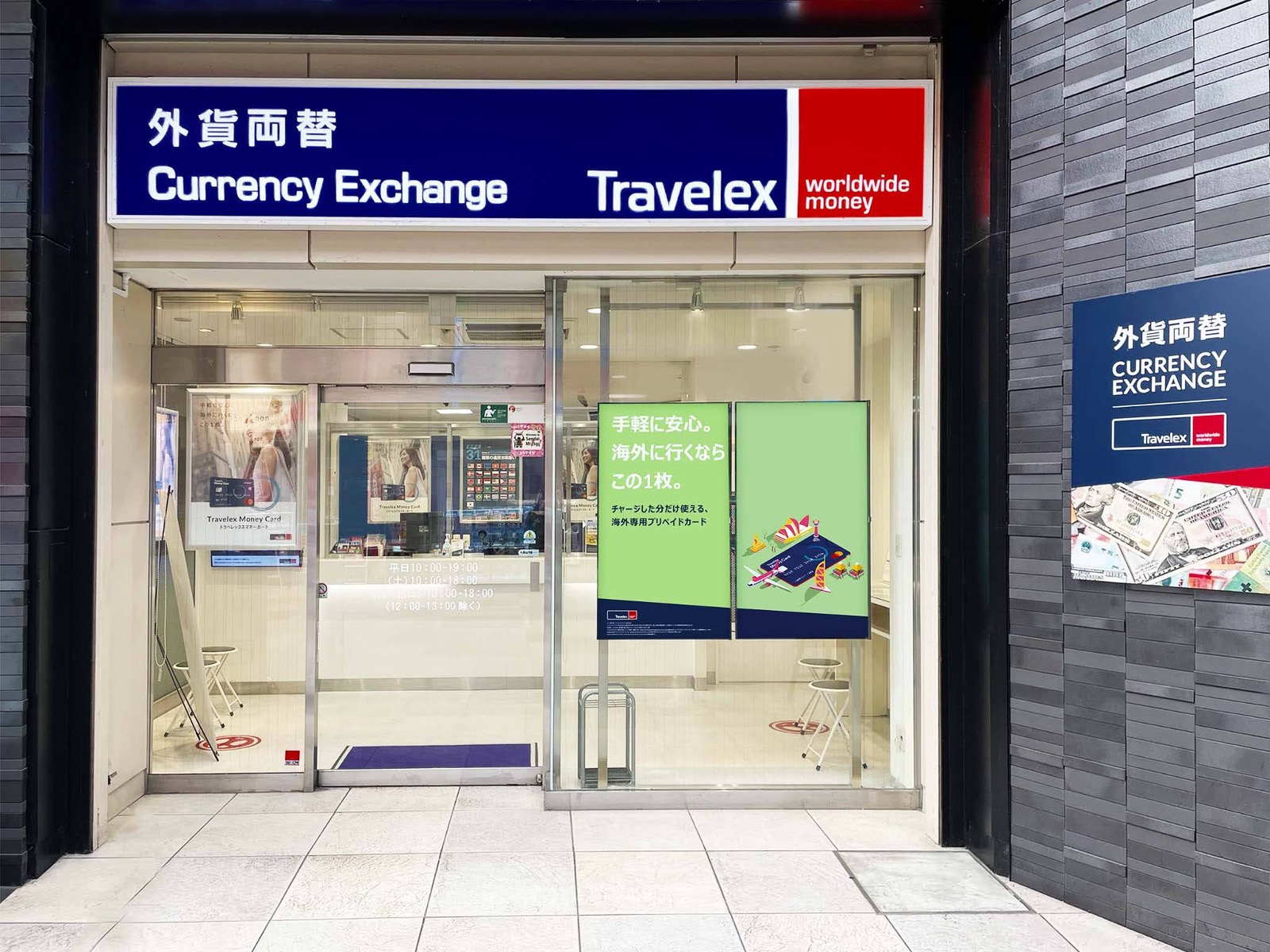
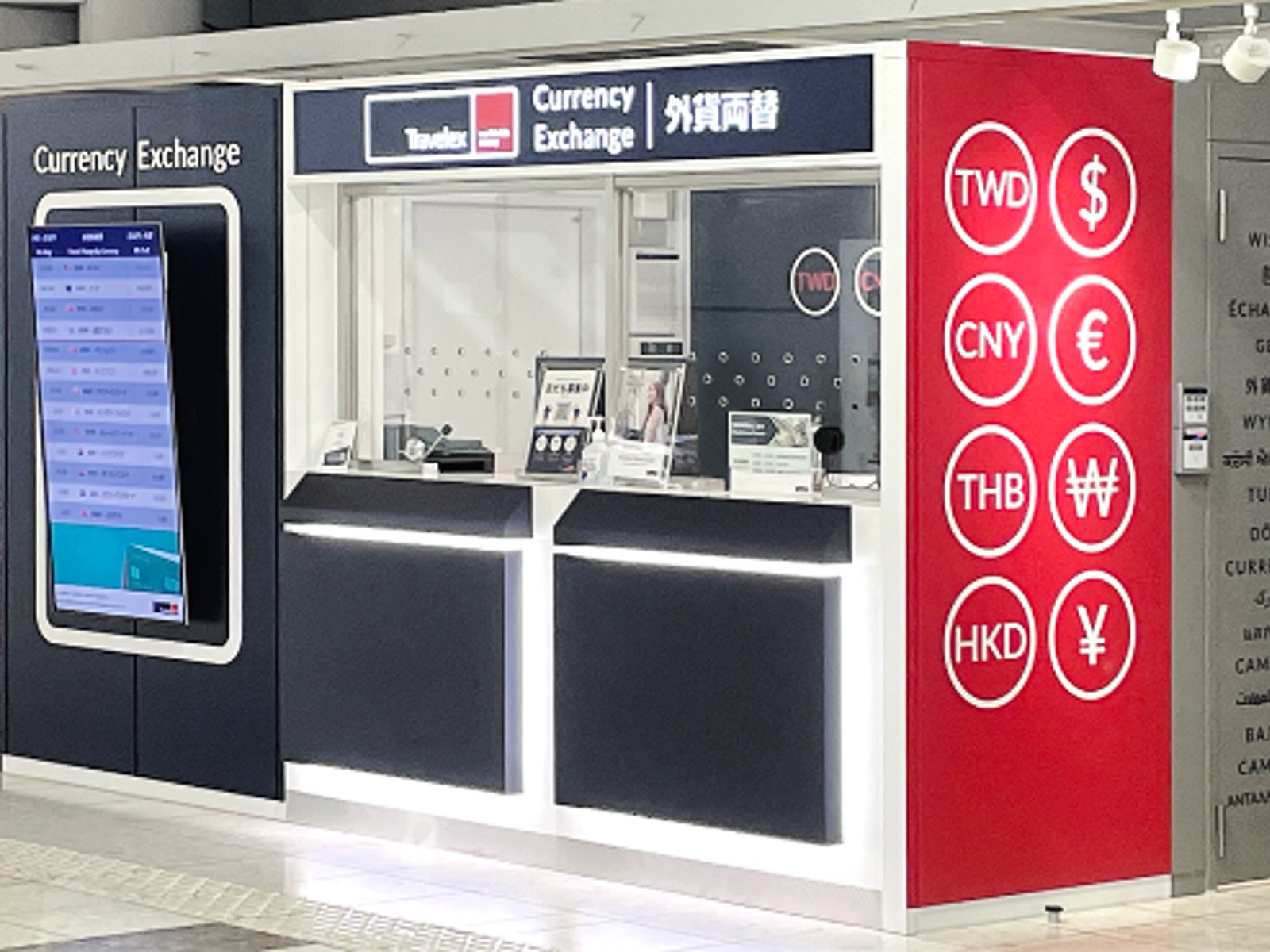
Foreign currency exchange is available at Travelex and at currency exchange machines in some hotels and commercial facilities. Some large commercial facilities may have automated foreign currency exchange machines.
◎Travelex
◎Hotels
Foreign currency exchange services are available at hotels such as Hotel Metropolitan Sendai, Hotel Metropolitan Sendai East, The Westin Sendai, Sendai Kokusai Hotel, Sendai Royal Park Hotel and more.
■Traveler’s checks
Some locations, such as Travelex, can also cash Traveler’s Checks (or Traveller’s Cheques).
■”Cashing” (cash advance)
You can use your credit card to withdraw cash from ATMs located at convenience stores (conbini) and the Post Office Bank (Japan Post Bank). Please check the official website of each service for further details.
●Communications
■Telephone
You can make international calls from your hotel room or use a public phone designated for international calls.
■Mail
Sendai has over 100 post offices. Mailboxes are colored red and are marked with the symbol 〒. Also, EMS can be used. You can buy stamps at the post office and convenience stores marked with the symbol 〒. For postal service information in English, call 022-711-7544 (Hours: Mon-Fri 9:30-16:30 except on public holidays)
■Percel delivery service
In addition to the post office, you can use private delivery companies to send parcels home. Many hotels provide this service, so please ask at your hotel.
●Emergencies
■119 Fire/Ambulance
In case of sudden illness or injury where you need immediate treatment, call 119 and an ambulance will come to transport you to a hospital. In case of fire, also call this number.
■110 Police
In case of traffic accidents or crimes, call 110 for the police.
■Hospitals
If you get sick or injured while traveling, this website lets you find a hospital from a list by selecting the languages they provide.
■ Sendai Medical Hotline
If you become sick or injured, the Sendai Medical Hotline can provide telephone interpretation in 33 languages.
We can help you find a hospital, make an appointment, and provide interpretation at medical facilities within Sendai City.
A specialized medical interpreter will speak with you via a smartphone.
The service is free of charge, although standard call fees apply.
If you would like to use this service, please click the link below and complete the form, or call 050‑1785‑3022.
◾️Travelers Hospital
Travelers Hospital is a comprehensive medical support service that provides prompt and appropriate care for international visitors who experience health issues during their stay in Japan.
・Online medical consultations are available with multilingual doctors.
・Prescription medications can be arranged on the same day, with guidance to nearby pharmacies.
・If necessary, coordination with local medical institutions, including university hospitals, is provided.
●Useful Information
■Japanese holidays
Jan 1 – New Year’s Day
Jan-2nd Monday – Coming-of-Age Ceremony
Feb 11 – National Foundation Day
Feb 23 – Emperor’s Birthday
Mar 20 or 21 – Spring Equinox Day
Apr 29 – Showa Day
May 3 – Constitution Day
May 4 – Greenery Day
May 5 – Children’s Day
Jul 3rd Mon – Marine Day
Aug 11 – Mountain Day
Sep 3rd Mon – Respect-for-the-Aged Day
Sep 23 – Autumn Equinox Day
Oct-2nd Mon-Health-Sports Day
Nov 3 – Culture Day
Nov 23 – Labor Thanksgiving Day
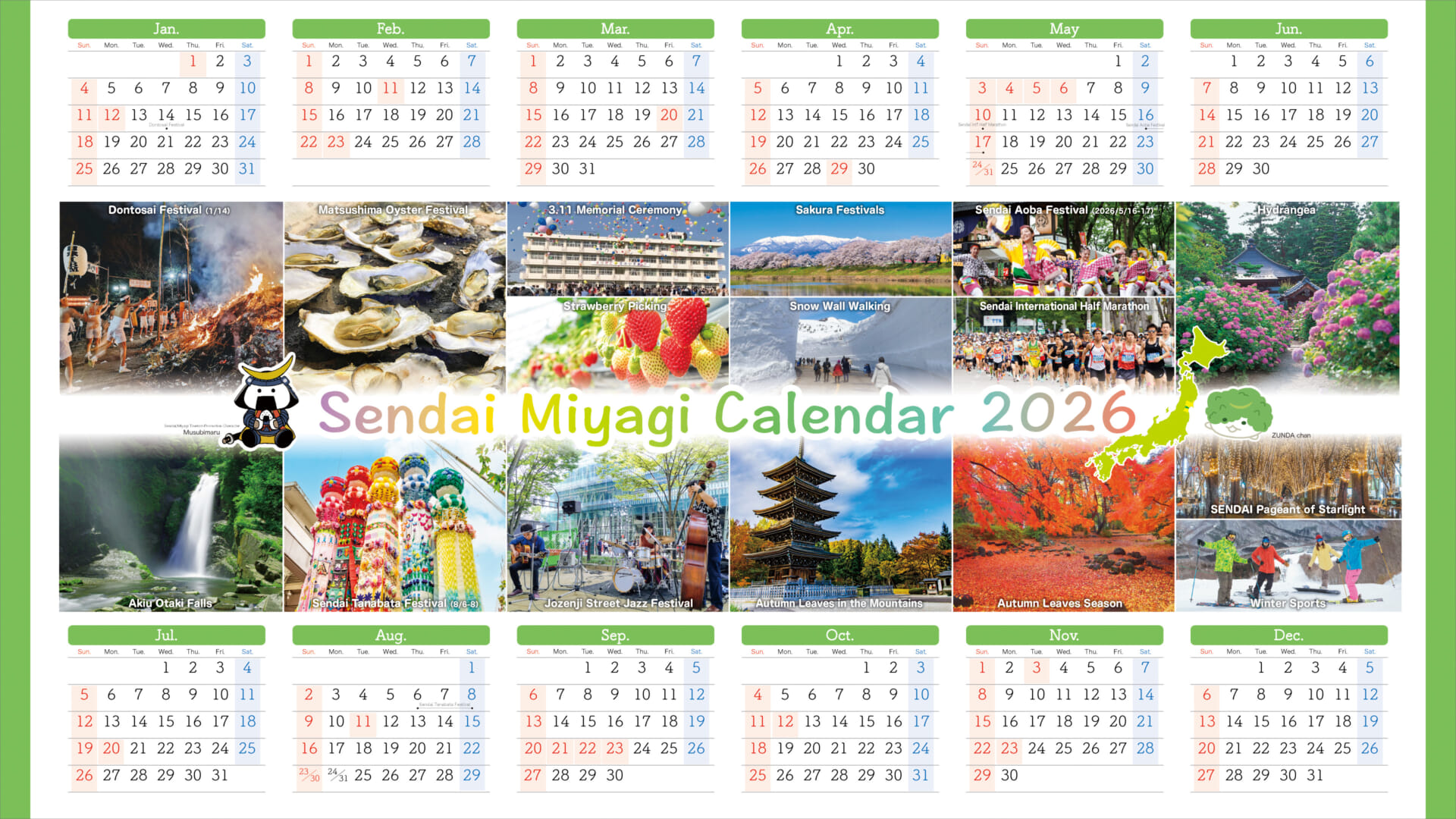
In Japan, vacations commonly occur at year’s end, during the New Year period, Golden Week (late April-early May), and during the Obon festival (3rd week of August) periods. Public transport and sightseeing spots in Japan are especially crowded during these periods.
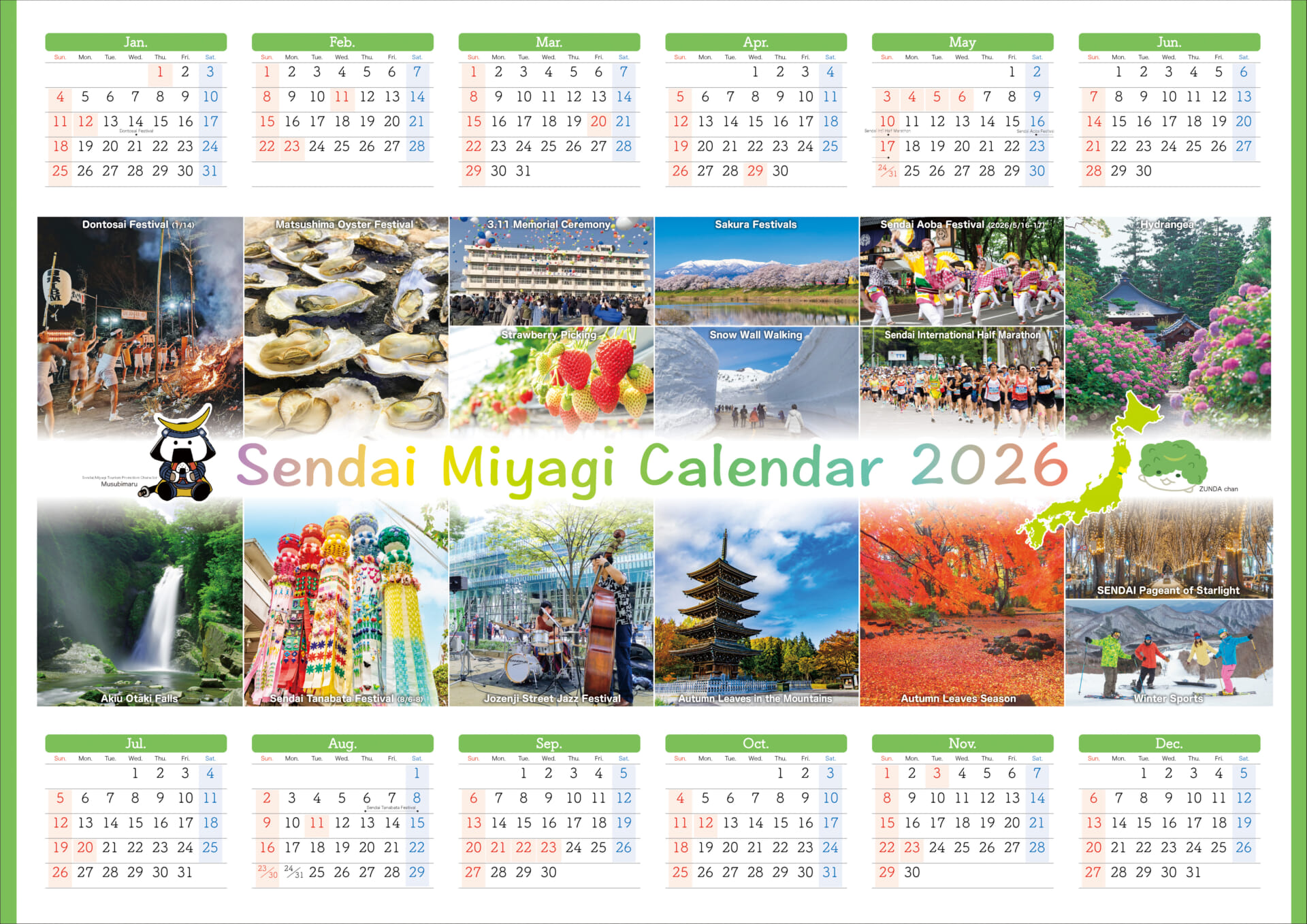
A calendar highlighting Japanese public holidays and events in Sendai is available for download.
Feel free to use it as a wallpaper for your phone or for other personal purposes.
■Voltage/electric current
Japan’s voltage is 100V50Hz (north of Tokyo). Plugs have 2 prongs (Type A).

■Water
Tap water in Japan is safe to drink; however, some water is not suitable for humans. In such cases, it is usually clearly marked (for example, in public toilets or wells).
■Toilets
There are Japanese-style(squat toilets)and Western-style toilets. Most public restrooms provide toilet paper.
Some public restrooms provide hand dryers or paper towels, while others may have neither.
■Tipping
Japan does not have a custom of tipping so it is not necessary to do so. At some restaurants or hotels, a service charge is automatically added to your bill.
■Onsen (hot springs), public baths
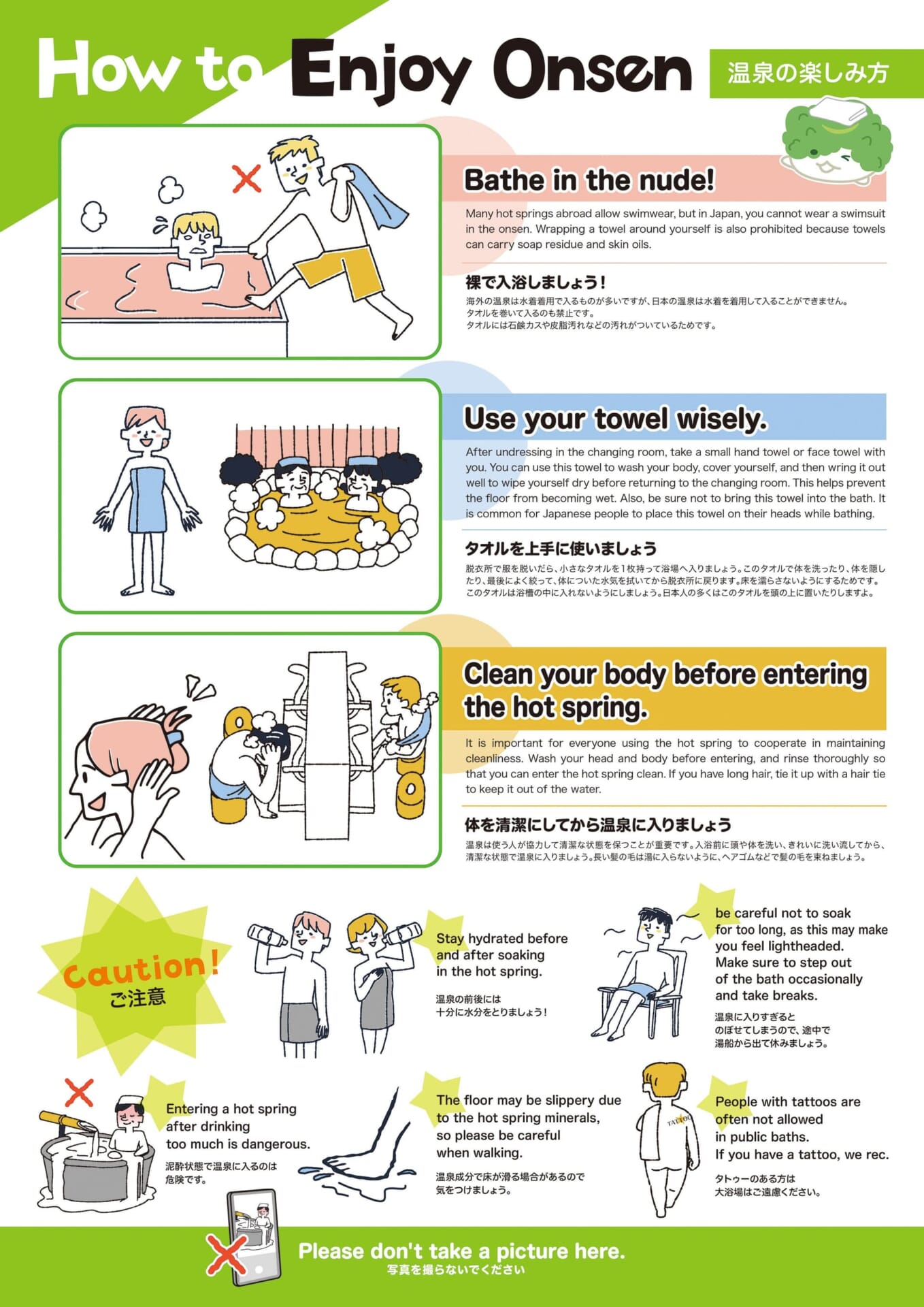
When you go to an onsen or a public bathhouse, you should first remove your clothing in the changing room before entering the bathing area. Since everyone will enter the same large bath, you must wash yourself thoroughly before entering. You should not take a towel into the bath nor drain the water from the bath.
■Manners, customs
On trains and buses, eating and making phone calls are considered bad manners.
However, small items like candy, gum, and drinks are generally not an issue. Please be considerate of others when using the train or bus, especially when they are crowded.
On the Shinkansen (bullet train), eating and drinking are part of the travel experience.
When entering private homes and some traditional accommodations, it is customary to remove your shoes.
■Restrictions on smoking and drinking
Smoking and drinking alcoholic beverages are prohibited for those under 20 years of age. Smoking is banned on public transportation and restricted in many public places and restaurants. Please follow the posted signs.
●Eating Japanese-style food
Making effective use of seasonal fresh ingredients is important in preparing Japanese food. Many dishes use stock made from bonito and/or tangle kelp combined with soy sauce. Japanese cuisine is esthetically pleasing and healthy.
■Eating Japanese-style
At an Izakaya, you will often receive a small appetizer at the start of your meal.
This is called “otoshi” and is a standard table charge, usually 300 to 1,000 yen per person.
■All-you-can drink service
Many Izakaya (Japanese-style pubs) and some drinking establishments offer an “all-you-can-drink service.” with a time limit of 1.5 or 2 hours. During this time limit , you can drink as much as you like with no additional charge. In some cases, an appetizer called otoshi will be automatically brought to you even if you do not order. The charge for this appetizer will be added to your bill.
●Shopping
■Sales seasons
Sendai has two large seasonal sales, one in summer (late June to mid-July) and the other in winter (January). Items are 30 to 70% off, and these shopping periods are filled with enthusiastic shoppers. Sendai is famous for its “Sendai Hatsuuri Sale” held on January 2nd where generous free gifts are given to shoppers.
■Size of clothing/shoes
The sizes listed on clothing and shoes are different from those sold abroad, so it’s recommended that shoppers try items on before buying them. Find the item that fits you best.
■Tax-free items
Japan has a 10% consumption tax. Overseas visitors may be eligible for tax-free shopping at designated stores.
Conditions
- Consumables (food, drinks, medicines, cosmetics):
Total purchase of 5,000–500,000 yen at the same store on the same day. - General goods (electronics, clothing, accessories):
Total purchase of 5,000 yen or more at the same store on the same day.
Some restrictions apply. Business-related purchases don’t qualify for tax-free status.