


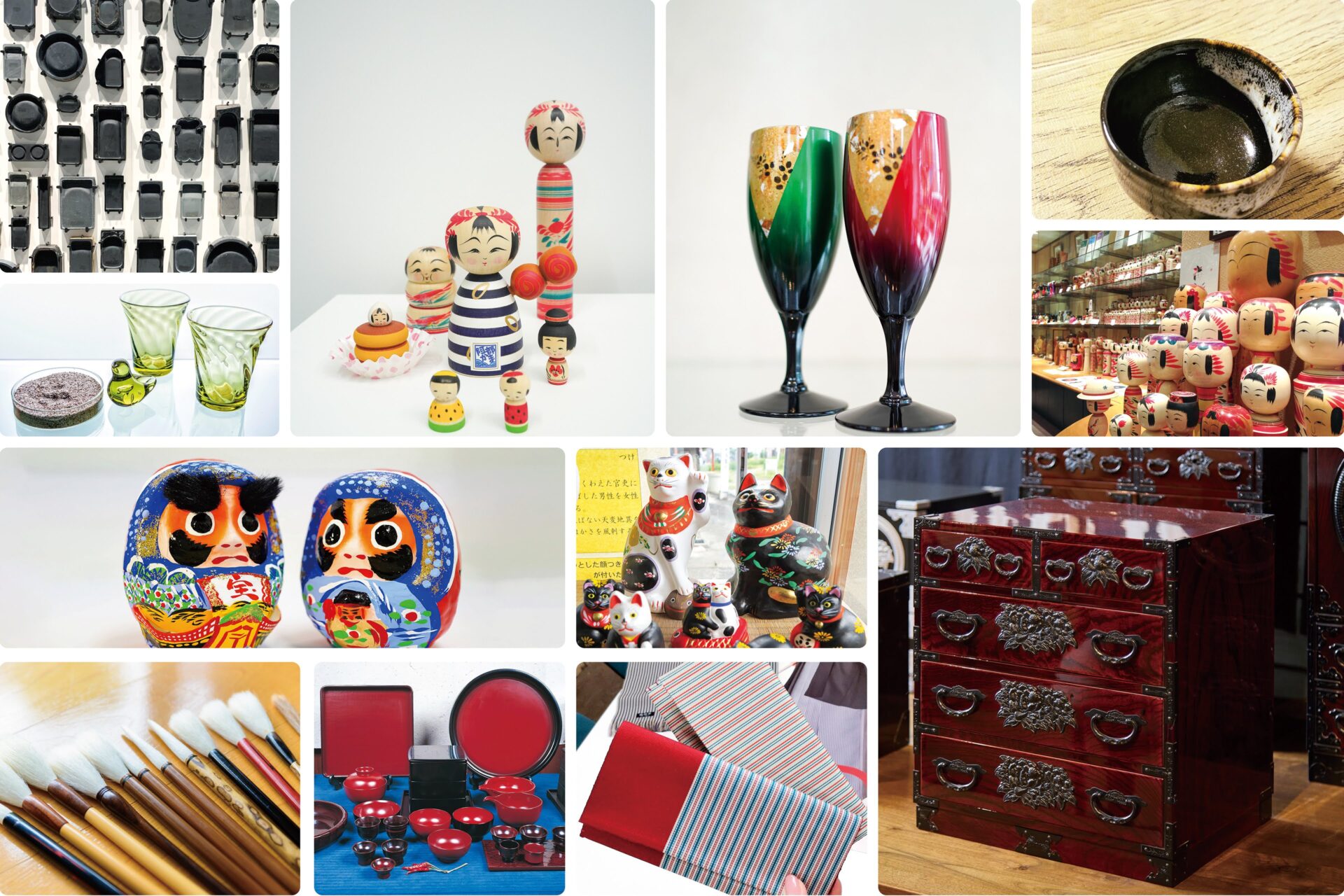
Miyagi Prefecture is home to a rich heritage of traditional crafts nurtured over centuries. From woodwork inspired by the region’s forests to refined items influenced by samurai culture and innovative modern lacquerware born in Sendai, each craft reflects the region’s history, daily life, and the dedication of its artisans who keep these traditions alive.
Handcrafted items are not just souvenirs; they carry the spirit and cultural narrative of Miyagi. Below are some of the most celebrated traditional crafts to discover when visiting Sendai.
*Business hours, regular holidays, and available products are subject to change. Please check each shop/facility before visiting or purchasing for up-to-date information.
Kokeshi Dolls
Beloved Wooden Dolls from Miyagi, Nurtured in Tohoku’s Hot Spring Towns.

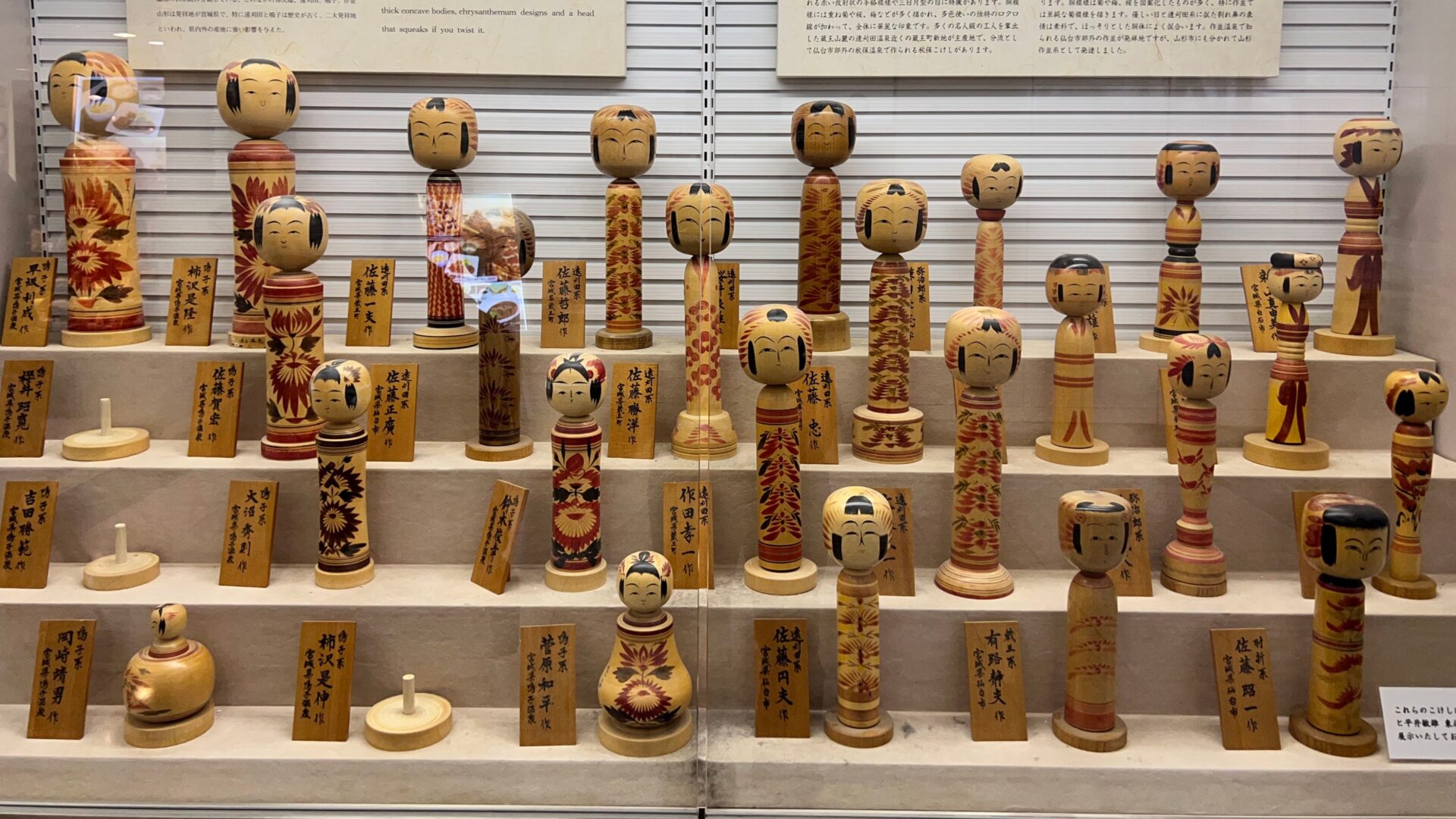
Kokeshi Dolls, originating in Miyagi during the late Edo period (1603–1867), are instantly recognizable for their round heads, slender cylindrical bodies, and softly hand-painted faces. Originating in Miyagi, their popularity soon spread across hot spring (onsen) towns throughout the Tohoku region.
Woodturners originally crafted Kokeshi Dolls using lathe-turning techniques as winter toys for snowed-in children. Over time, they became popular keepsakes for travelers visiting hot spring resorts for rest, relaxation, and rejuvenation.
Across Tohoku, there are 12 distinct regional styles, including five from Miyagi, each with its own shapes, facial expressions, and painted patterns. Today, in addition to traditional styles, artisans produce modern designs, miniature versions, accessories, and decorative pieces created specifically for interior display. Each doll is handmade, making each one completely unique.
Where to Find Kokeshi in Sendai
Sendai Shimanuki, located in central Sendai, offers a wide selection of Kokeshi and other traditional crafts. In addition, at Akiu Craft Park, there are workshops where visitors can experience the artisans’ handiwork up close and try their hand at painting their own Kokeshi doll.
【Kokeshino Shimanuki】
Address: 3-1-17 Ichibancho, Aoba-ku, Sendai, Miyagi
Hours: 10:30 a.m. to 7:00 p.m.
Closed: Second Wednesday of each month (except August), January 1st

【Akiu Kogei no Sato (Akiu Traditional Craft Village)】
Address: 54 Uehara, Yumoto, Akiu-machi, Taihaku-ku, Sendai, Miyagi
Opening Hours/Closed: Varies by workshop
Tamamushi Lacquerware (Tamamushi-nuri)

Sendai-Born Lacquerware Celebrating Light and Color
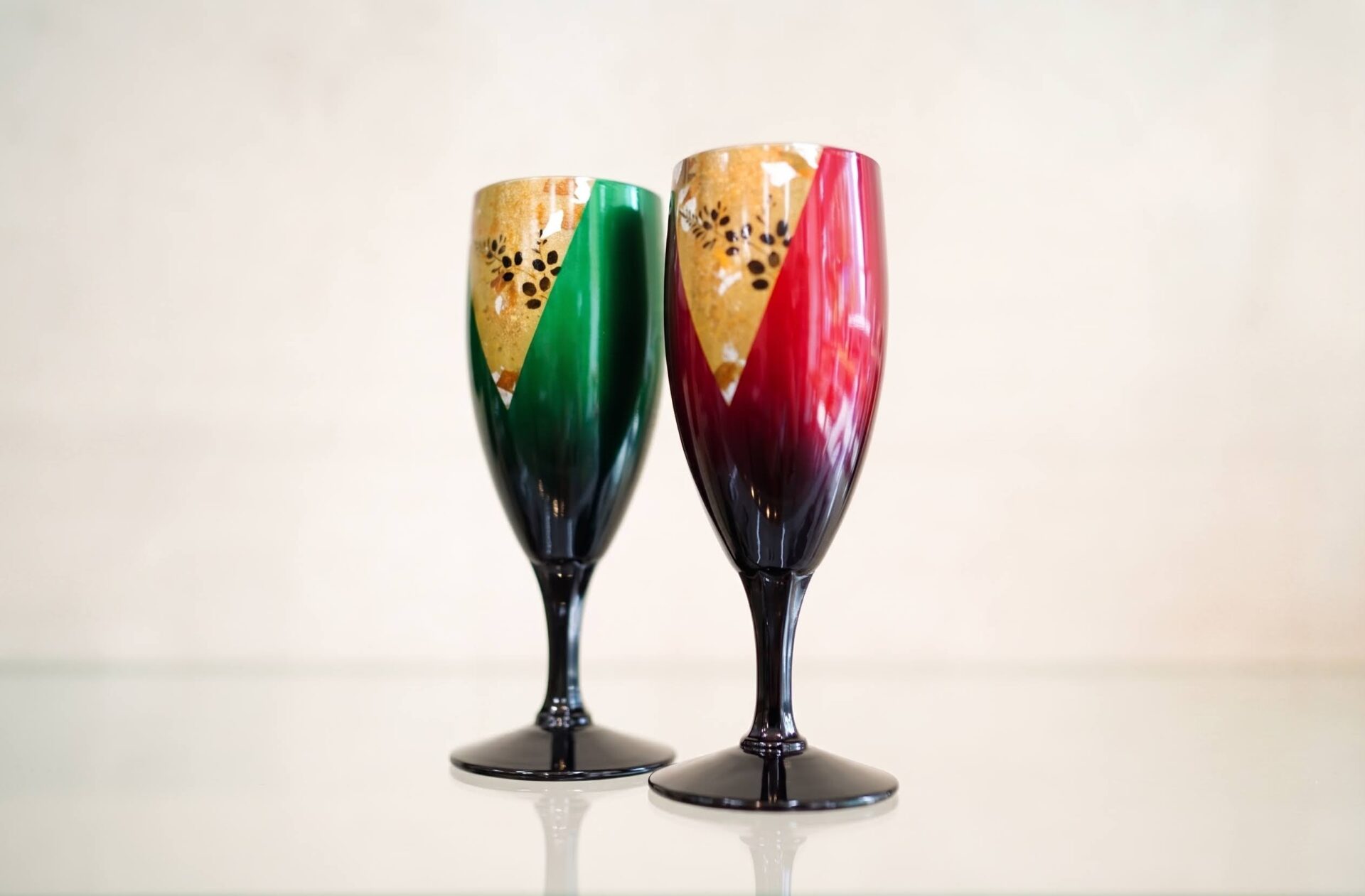
Tamamushi-nuri is renowned for its distinctive, light-changing vividness, reminiscent of the iridescent wings of the jewel beetle (tamamushi) from where it takes its name. This craft was developed in the 1930s at Japan’s first national design institute, founded in Sendai in 1928.
Artisans create Tamamushi lacquerware by dusting silver powder over a lacquered base and applying layer upon layer of translucent colors, artisans create a profound sense of depth and a radiant glow.
Today, while preserving its traditional artistry, Tamamushi-nuri has been adapted to match modern lifestyles. The lineup includes dishwasher-safe tableware, contemporary home decor, stationery, and jewelry. It represents a vivacious craft that continues to evolve with modern sensibilities.
Where to Find Tamamushi Lacquerware in Sendai
A wide range of products, from traditional Tamamushi lacquerware to modern lifestyle items, is available at Tohoku Kogei Co., Ltd. In addition to viewing and shopping in the showroom, visitors can enjoy a hands-on workshop to apply Tamamushi lacquer finishes to glassware, photo frames and an assortment of other goods.
【Tohoku Kogei Showroom】
Address: 1F, 3-3-20 Kamisugi, Aoba-ku, Sendai, Miyagi
Hours: 10:00 a.m. to 6:00 p.m.
Closed: Saturdays, Sundays, Mondays, National Holidays
Sendai Chests (Sendai Tansu)

Strength and Elegance Forged by Samurai Culture
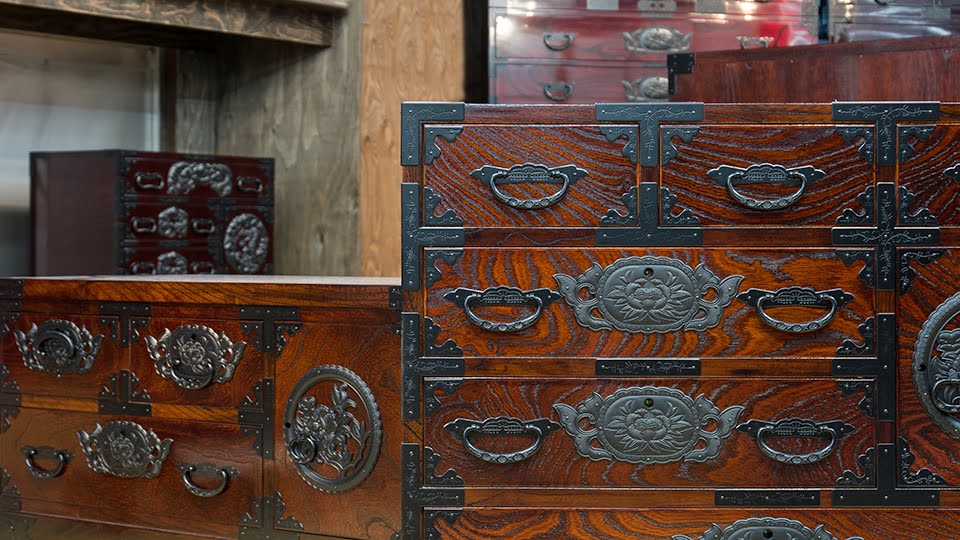
With their bold wood grain, deep lacquer finish, and ornate iron fittings, Sendai Tansu (chests) reflect the aesthetic sensibilities of Sendai’s castle-town heritage.
The prototypes of these chests emerged in the late Edo period and were developed primarily for samurai families to safely store swords, garments, and important documents.
Their creation relies on the combined skills of three distinct master artisans: the woodworker, the lacquerer, and the metalsmith. High-grade wood is carefully joined, finished with lacquer to accentuate the natural grain, and adorned with hand-chiseled iron fittings featuring motifs such as peonies and guardian lions. Highly durable yet strikingly ornate, they embody the dignity of Sendai’s samurai aesthetics.
Today, alongside full-sized traditional chests, craftspeople produce compact furniture and home decor designed to suit contemporary living spaces.
Where to Find Sendai Tansu in Sendai
Sendai Tansu chests can be viewed up close and purchased directly from Monmaya and Keyaki Sangyo in Sendai.
【Monmaya】
Address: 143 Minamikajimachi, Wakabayashi-ku, Sendai, Miyagi
Hours: 11:00 a.m. to 7:00 p.m.
*By reservation only
【Keyaki Sangyo Sendai Higashiguchi Showroom】
Address: 1F Keyaki Sendai Higashiguchi Bldg., 300-9 Nijuninmachi, Miyagino-ku, Sendai, Miyagi
Hours: 10:00 a.m. to 6:00 p.m.
Closed: Open year-round (except December 29th to January 1st)
Sendai Hariko & Matsukawa Daruma
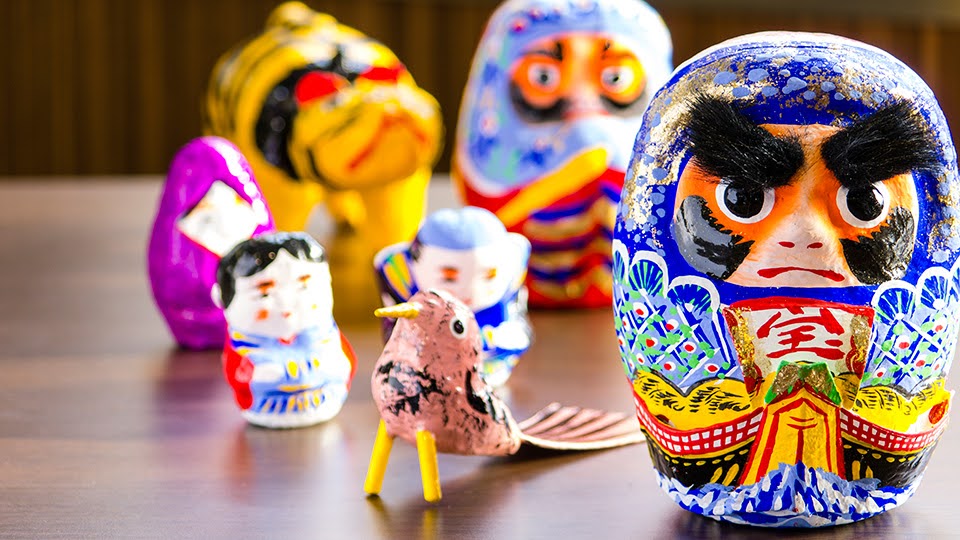
Sendai’s Unique Lucky Charms, Born from Samurai Craft
Known for their vibrant blue color and dignified facial expressions, Sendai’s Matsukawa Daruma dolls offer a striking contrast to Japan’s typical red Daruma.
Matsukawa Daruma is the most famous example of Sendai Hariko (papier-mâché). This craft began during the Edo period as a side occupation for Sendai samurai. Layers of Japanese washi paper are pasted over wooden or clay molds, then individually hand-painted with meticulous care.
Beyond Darumas, artisans have created a variety of papier-mâché figures, including tigers, pack-oxen, and theatrical masks. Their charming expressions and handcrafted warmth have long brought comfort to local homes. Traditionally, locals purchase a slightly larger Daruma each year to invite continuous good fortune.
Where to Find Sendai Hariko & Matsukawa Darum in Sendai
Even today, master craftspeople at workshops such as Hongo Darumaya and Ohinakkoya continue to handcraft authentic Matsukawa Daruma, preserving this vibrant local tradition.
【Hongo Darumaya】
Address: 4-32-12 Kawadaira, Aoba-ku, Sendai, Miyagi
Hours: 9:00 a.m. to 6:00 p.m.
Closed: No fixed holidays
【Tsutsumi no Ohinakkoya】
Address: 1-16-14 Kitane, Aoba-ku, Sendai, Miyagi
Closed: No fixed holidays
Tsutsumi Ware (Tsutsumi-yaki)

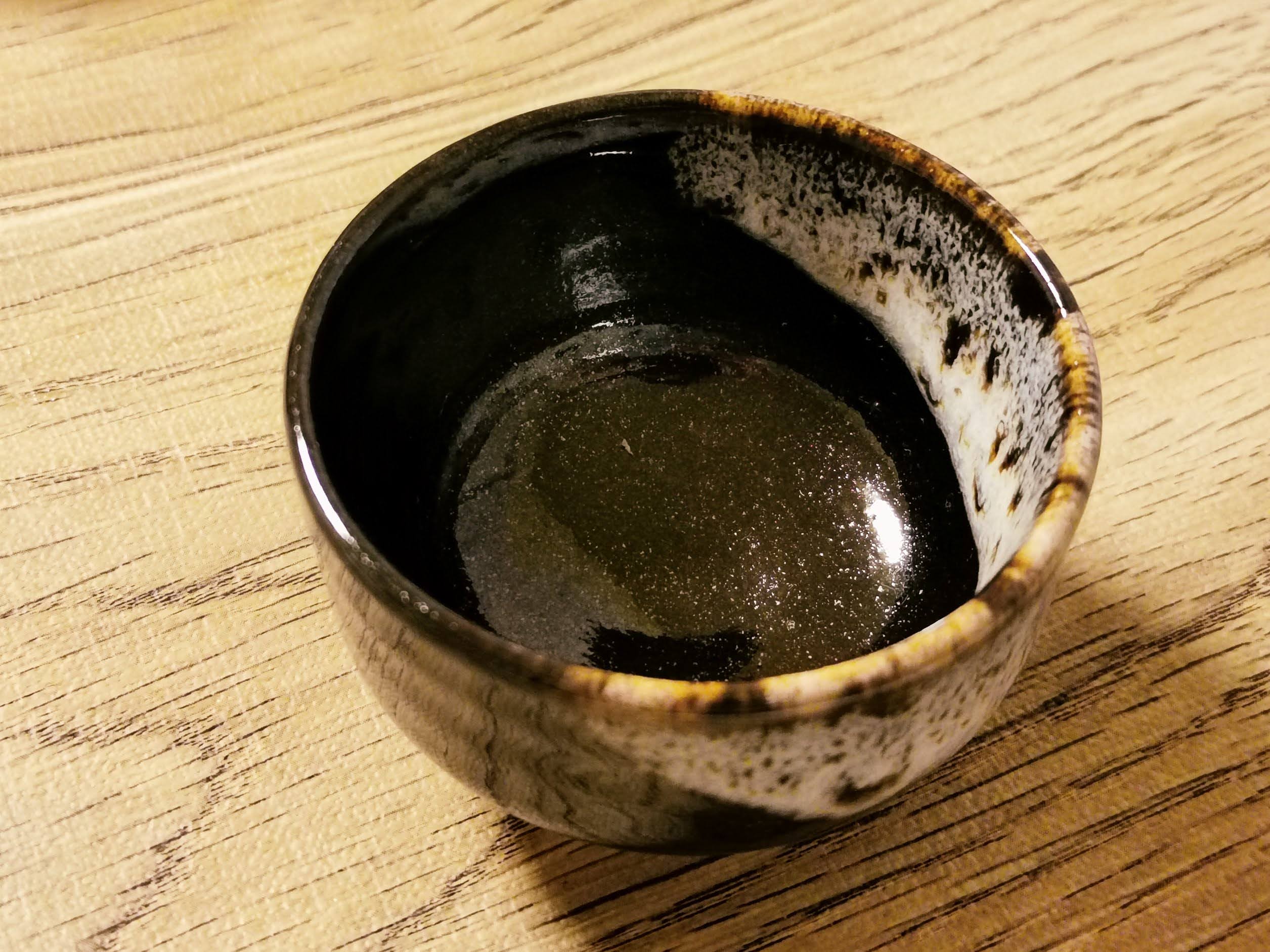
Tsutsumi Ware is a traditional pottery crafted in Tsutsumi-machi in northern Sendai, boasting a history of over 300 years. It is characterized by the striking contrast of black and white created by “Namako glaze” (sea cucumber glaze), which is crafted from local clay and rice husk ash scooped and poured with a wooden ladle. Historically, it was widely used for daily household items such as miso storage jars and sake carafes (tokkuri). Today, the Tsutsumi-yaki Kenba Kiln preserves this honored heritage, with master potters hand-shaping diverse vessels that blend seamlessly into contemporary life.
Where to Find Tsutsumi Ware in Sendai
【Fujisaki Main Store “DATE CRAFT”】
3-2-17 Ichibancho, Aoba-ku, Sendai
Hours: 10:00 a.m. to 7:00 p.m. (Until 7:30 p.m. on Fridays and Saturdays)
【Tsutsumi-yaki Kenba Kiln】
8-4 Akasaka, Kamiyagari, Izumi-ku, Sendai
Exhibition & Sales: 9:00 a.m. to 6:00 p.m.
Closed: Exhibition & shop open year-round; Workshop closed on Sundays and National Holidays; Pottery classes open by reservation only
Tsutsumi-yaki Tsutsumi dolls

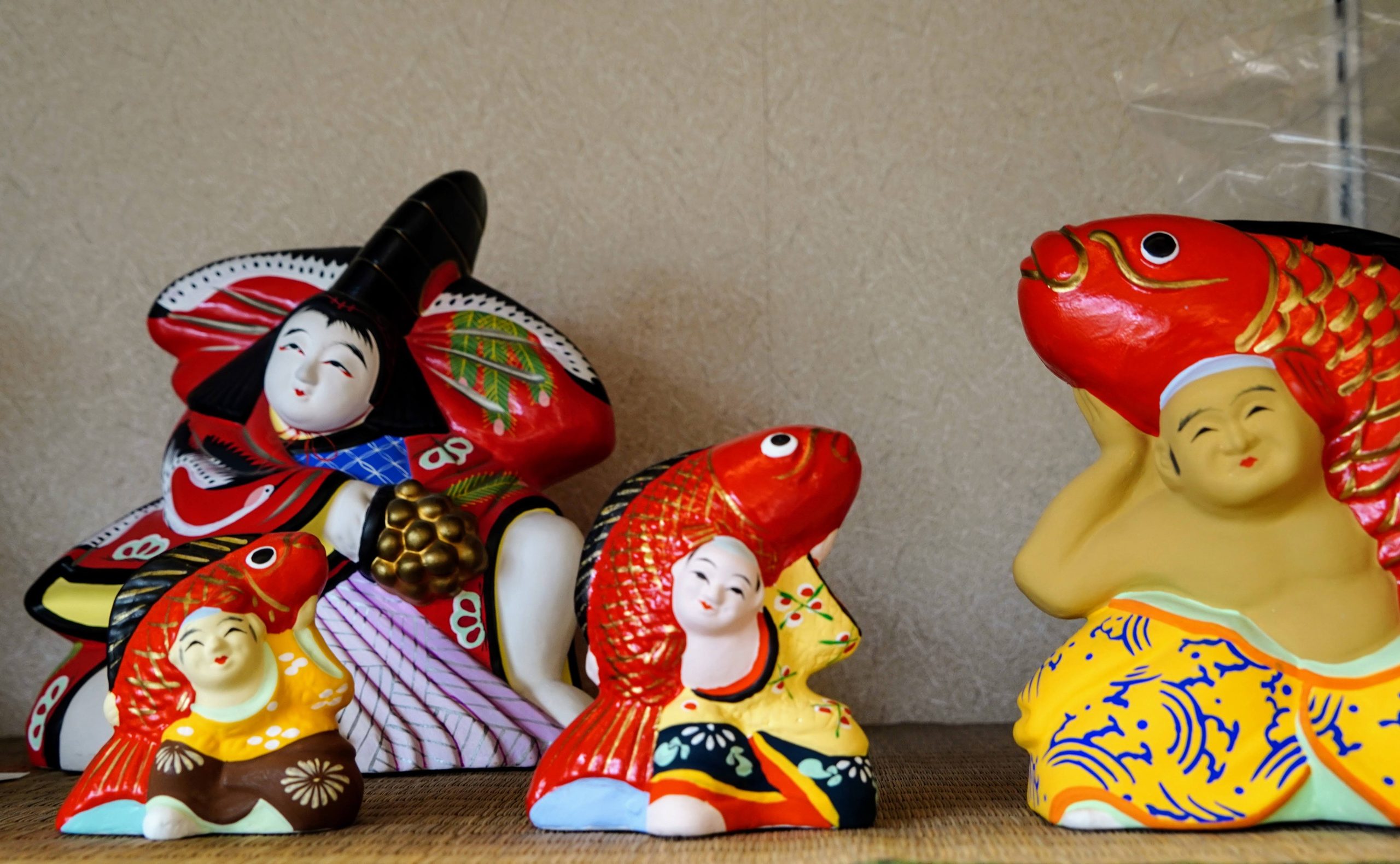
Tsutsumi Dolls are unglazed clay dolls said to have originated in Tsutsumi-machi in northern Sendai. Artisans craft figures representing a wide variety of traditional motifs, including Kabuki actors, Ukiyo-e woodblock prints, Hina dolls, sumo wrestlers, and Chinese zodiac animals. Characterized by graceful sculpting and radiant hand-painted coloration, their distinctive palette anchored in vivid reds and deep blacks is remarkably striking. Today, Sendai’s craftsmen carry forward these ancestral treasured folk art techniques, shaping each doll by hand.
Where to Find Tsutsumi Dolls in Sendai
【Haga Tsutsumi Doll Workshop (Haga Tsutsumi Ningyo Seizosho)】
3-30-10 Tsutsumimachi, Aoba-ku, Sendai
【Tsutsumi no Ohinakkoya】
2-10-10 Tsutsumimachi, Aoba-ku, Sendai
Sendai-hira Silk Fabric

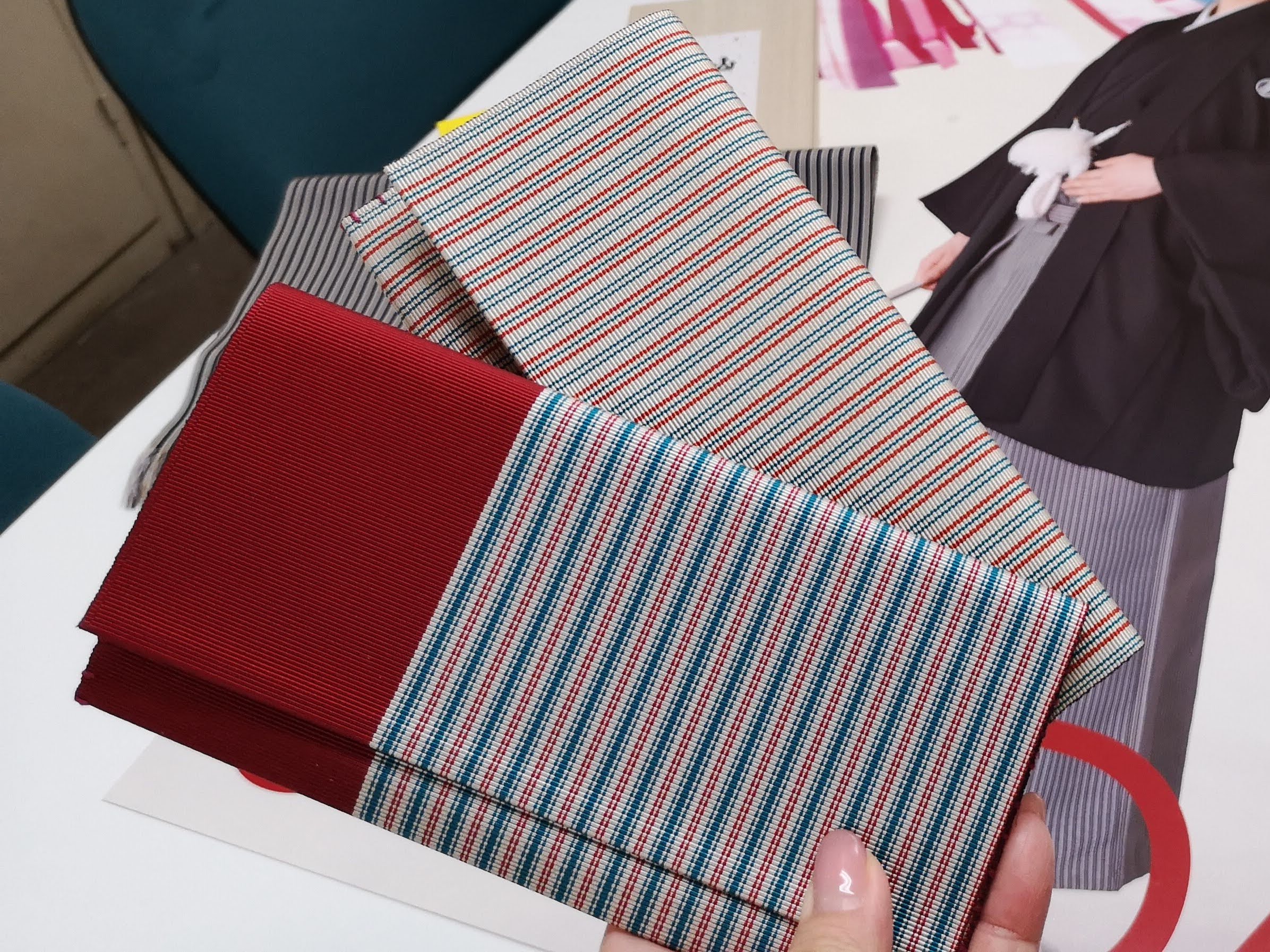
Sendai-hira is a traditional fine silk fabric that flourished as the official ceremonial textile of the Sendai Domain. Renowned as the finest silk for formal samurai hakama trousers, it is woven densely from strictly selected raw silk. The fabric is uniquely supple vertically yet firm horizontally, offering unmatched durability and elegance. Today, master weavers preserve these centuries-old techniques to produce supreme hakama textiles, as well as smaller accessories like business card holders that let people enjoy the luxurious texture of Sendai-hira in their everyday lives.
Where to Find Sendai-hira in Sendai
【Fujisaki Main Store “DATE CRAFT”】
3-2-17 Ichibancho, Aoba-ku, Sendai
Hours: 10:00 a.m. to 7:00 p.m. (Until 7:30 p.m. on Fridays and Saturdays)
【Sendai Mitsukoshi Main Bldg. 6F Kimono Salon】
4-8-15 Ichibancho, Aoba-ku, Sendai
Hours: 10:00 a.m. to 7:30 p.m.
Sendai Ofude (Sendai Traditional Writing Brushes)
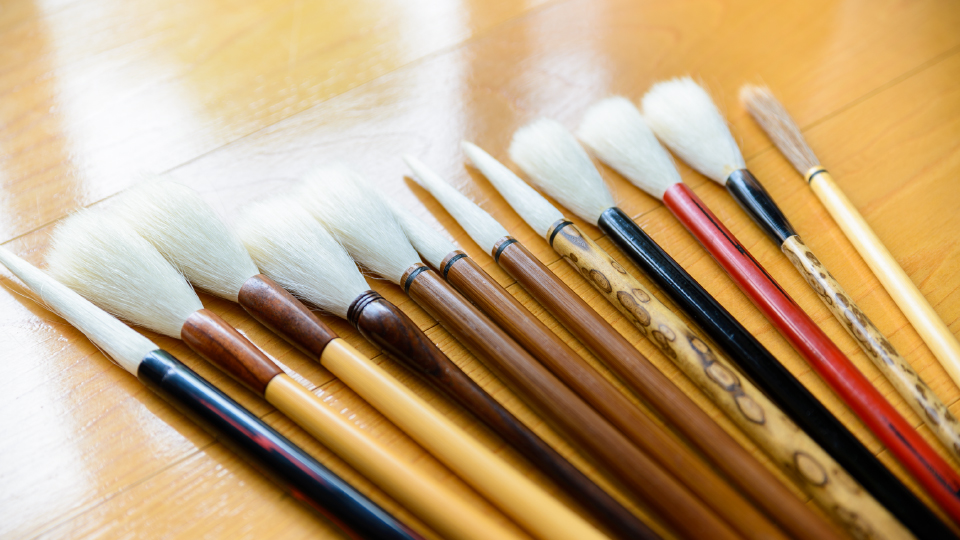
Sendai Ofude are prestigious writing and calligraphy brushes that have been passed down since the era of the Sendai Domain. Master brushmakers handcraft each brush through meticulous manual processes—from hair sorting to final assembly—using natural animal hair, such as horse, raccoon dog, and goat, and bamboo. In particular, the “Hagi-fude,” featuring brush handles fashioned from Miyagino bush clover (hagi), is famous as the crowning emblem of Sendai Ofude. Each brush is tailored to the calligrapher’s specific needs, showcasing brilliant traditional artistry.
Where to Find Sendai Ofude in Sendai
【Otomo Mohitsuten (Otomo Brush Shop)】
112 Sambyakuninmachi, Wakabayashi-ku, Sendai
【Nishikawa Gyokurindo】
204 Aramachi, Wakabayashi-ku, Sendai, Miyagi
Naruko Lacquerware (Naruko Shikki)

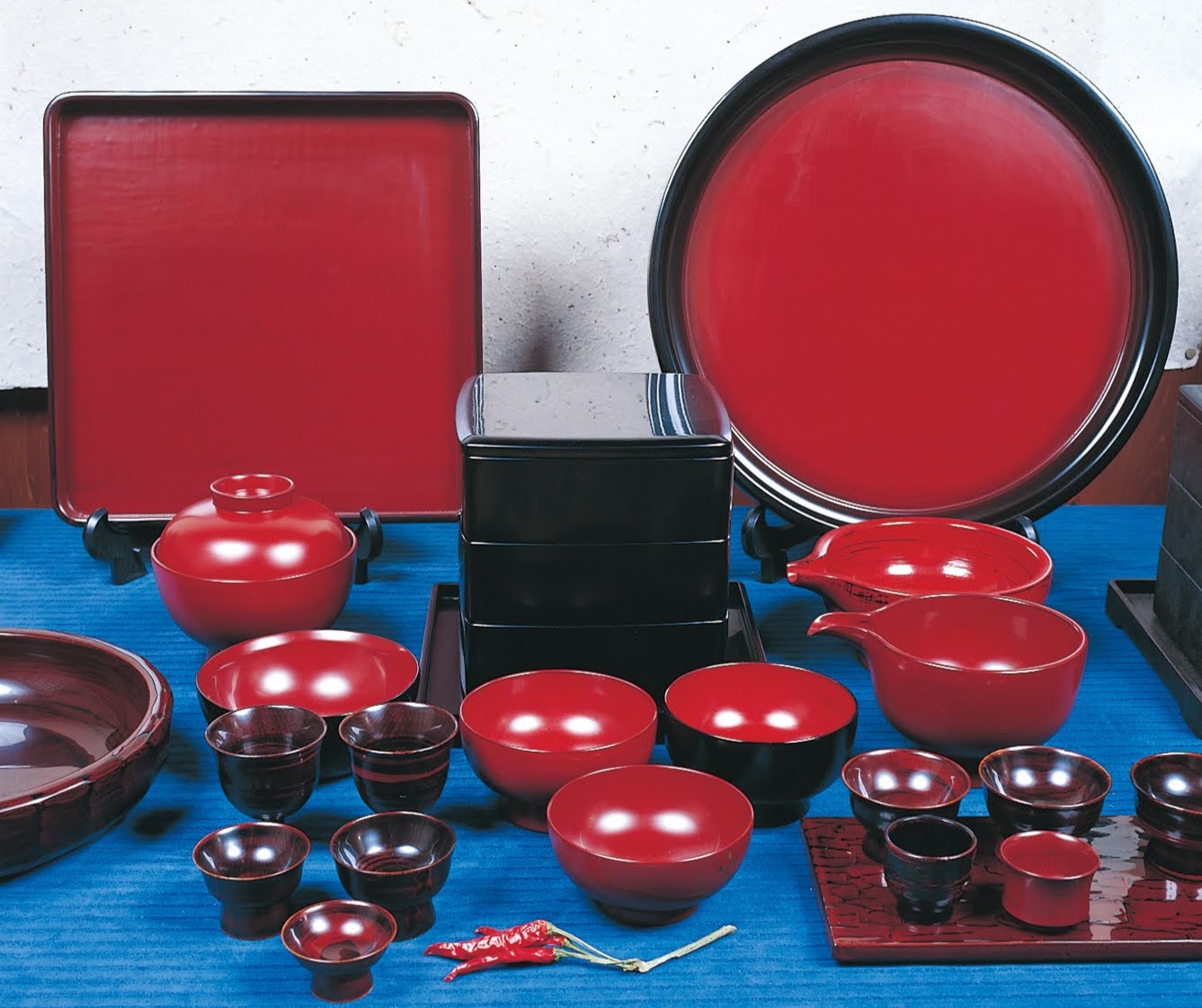
Naruko Lacquerware has been treasured for over 300 years and has been passed down in Naruko, a hot spring resort town in northern Miyagi. It is renowned for diverse specialized techniques, including “Kijiro-nuri”, which highlights natural wood grain through transparent lacquer, “Fuki-urushi”, where lacquer is repeatedly rubbed into the wood, and “Ryumon-nuri”, creating dramatic dragon-like marbling patterns. Combining elegant wood grain, lustrous depth, robust durability, and daily practicality, it has long been beloved as tableware to be used and cherished for generations.
Where to Find Naruko Lacquerware
【Sato Lacquer Workshop】
200 Minamihara, Naruko-onsen, Osaki City
【Ran Urushi Workshop (Ran Urushi Kobo)】
98-3 Uenohara, Naruko-onsen, Osaki City
【Urushimono Yamamichisha】
100 Shinyashiki, Naruko-onsen, Osaki City
Ogatsu Inkstones (Ogatsu Suzuri)

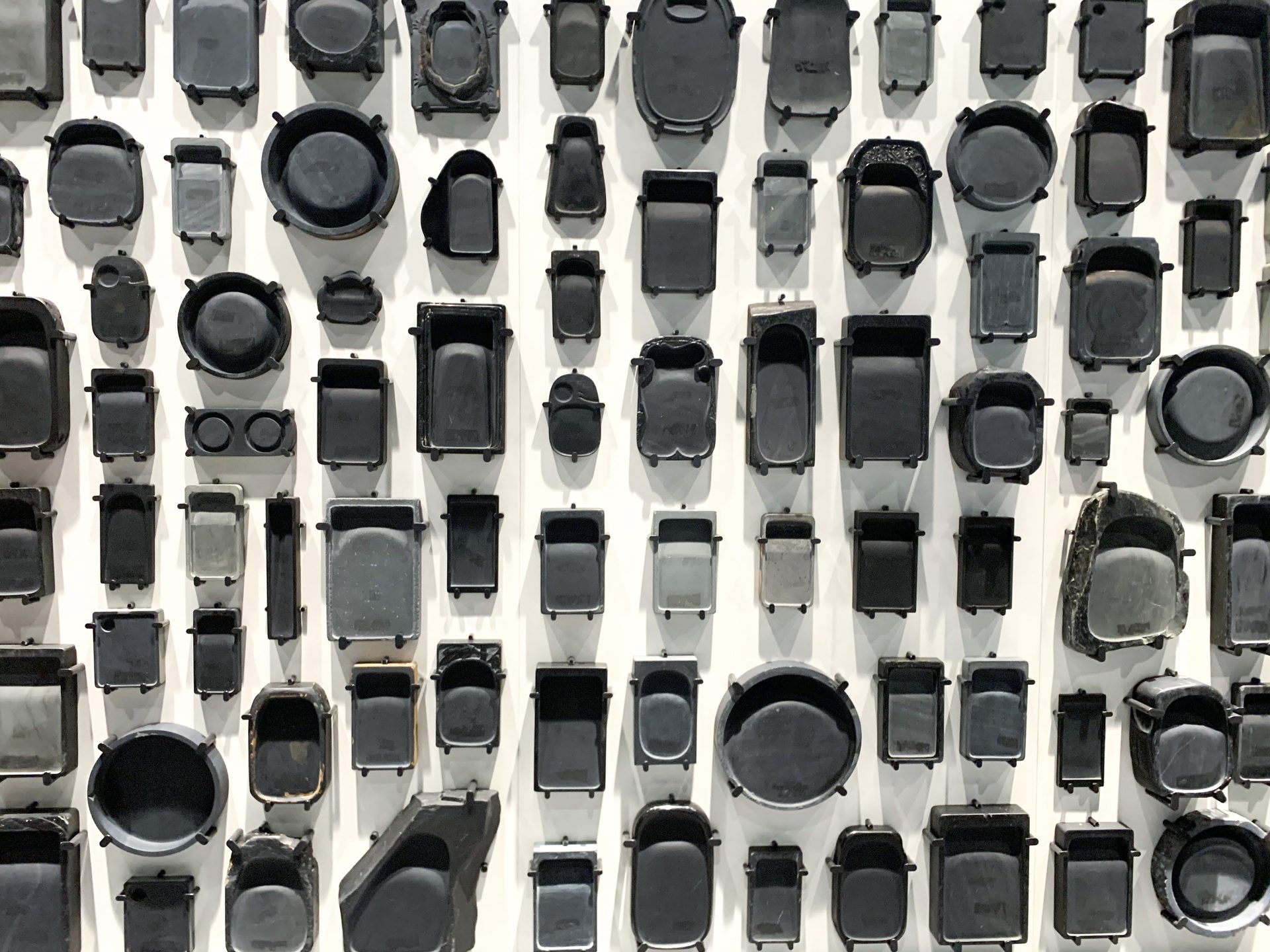
Ogatsu Inkstones are handcrafted from high-quality clay slate known as “Ogatsu Stone” (Genshoseki), quarried in Ogatsu-cho, Ishinomaki City. Featuring a fine grain and optimal hardness, Ogatsu Stone produces exceptionally smooth sumi ink and has been used for inkstone carving for over 600 years. Today, beyond traditional inkstones, artisans craft tableware, dishes, and platters that accentuate its jet-black hue and natural rocky texture. Notably, Ogatsu slate tiles also adorn the iconic black restored roof of the Tokyo Station Marunouchi Building and underground concourse murals.
Where to Find Ogatsu Inkstones
【Fujisaki Main Store “DATE CRAFT”】
3-2-17 Ichibancho, Aoba-ku, Sendai
Hours: 10:00 a.m. to 7:00 p.m. (Until 7:30 p.m. on Fridays and Saturdays)
【Ogatsu Inkstone Traditional Industry Center】
Inside Roadside Station “Kenjo no Sato Ogatsu”, 2-17 Shimo-ogatsu, Ogatsu-cho, Ishinomaki City
Hours: 9:00 a.m. to 4:30 p.m.
Closed: Tuesdays (except national holidays; if Tuesday is a holiday, closed the following day), December 29th to January 3rd
〜Sendai crafts〜
Sendai Glass

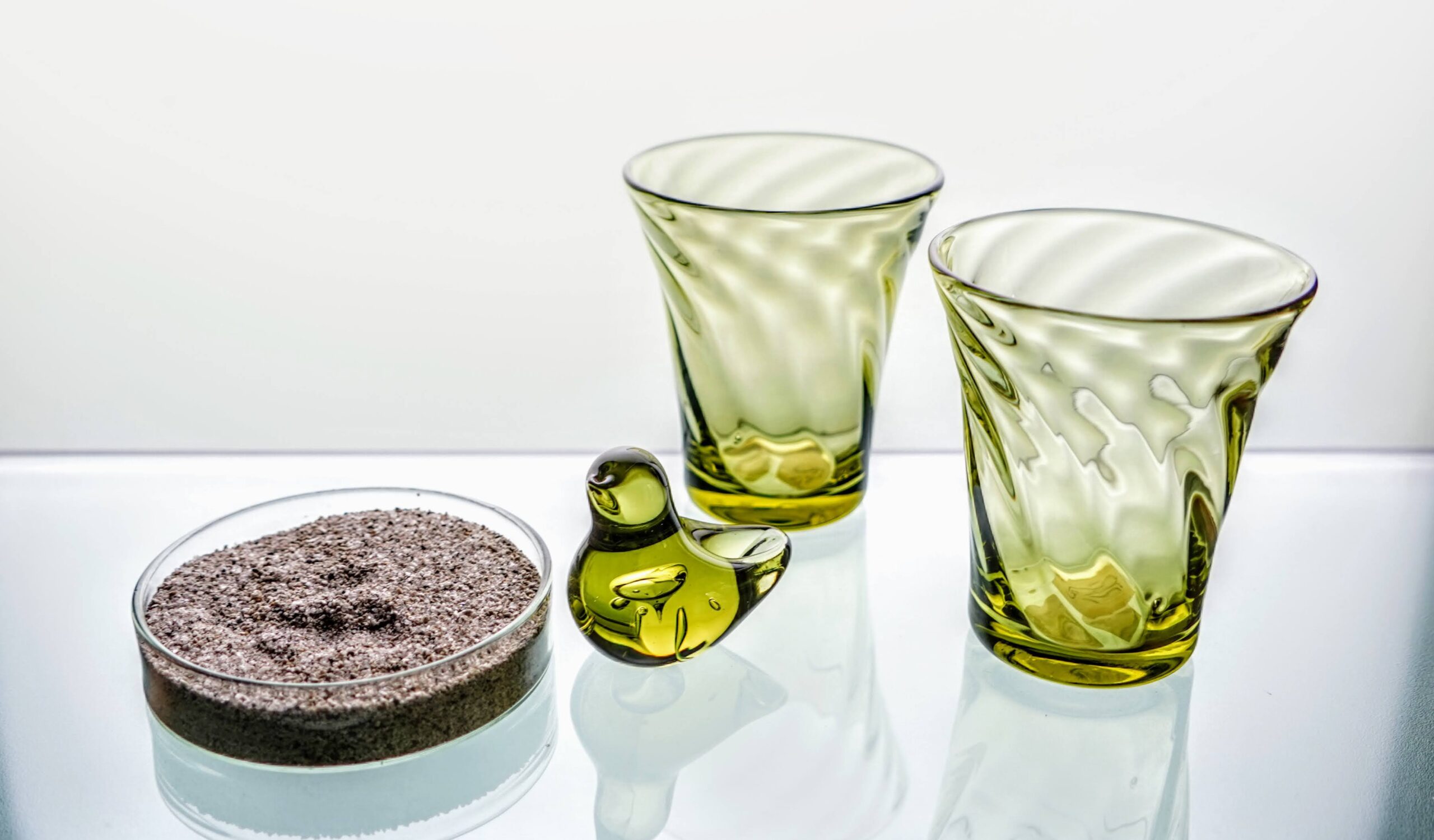
Sendai Glass is a distinctive glassware craft that harmoniously blends Sendai’s natural environment with contemporary craftsmanship. At Kaiba Glass Workshop, located in scenic Akiu, artisans incorporate river sand from Sendai’s famous Hirose River into the molten glass, yielding a unique, delicate green hue known as the “Color of the Forest Capital” (Mori no Iro). The organic character created by the fusion of crystalline glass and natural minerals is enchanting, resulting in cups, sake ware, and small bowls designed for effortless daily enjoyment.
Where to Find Sendai Glass in Sendai
【Kaiba Glass Workshop (Kaiba Glass Kobo)】
23-1 Tateyamahara, Nagabukuro, Akiu-machi, Taihaku-ku, Sendai
Hours: 10:00 a.m. to 5:00 p.m.
Open: Mondays, Tuesdays, Fridays, Saturdays, Sundays
Closed: Wednesdays and Thursdays
【Kokeshi no Shimanuki Main Store】
3-1-17 Ichibancho, Aoba-ku, Sendai
Hours: 10:30 a.m. to 7:00 p.m.
Closed: Second Wednesday of each month (except August), New Year’s Day (Jan 1)
【Fujisaki Main Store】
3-2-17 Ichibancho, Aoba-ku, Sendai
Hours: 10:00 a.m. to 7:00 p.m. (Until 7:30 p.m. on Fridays and Saturdays)
Closed: Irregular holidays