


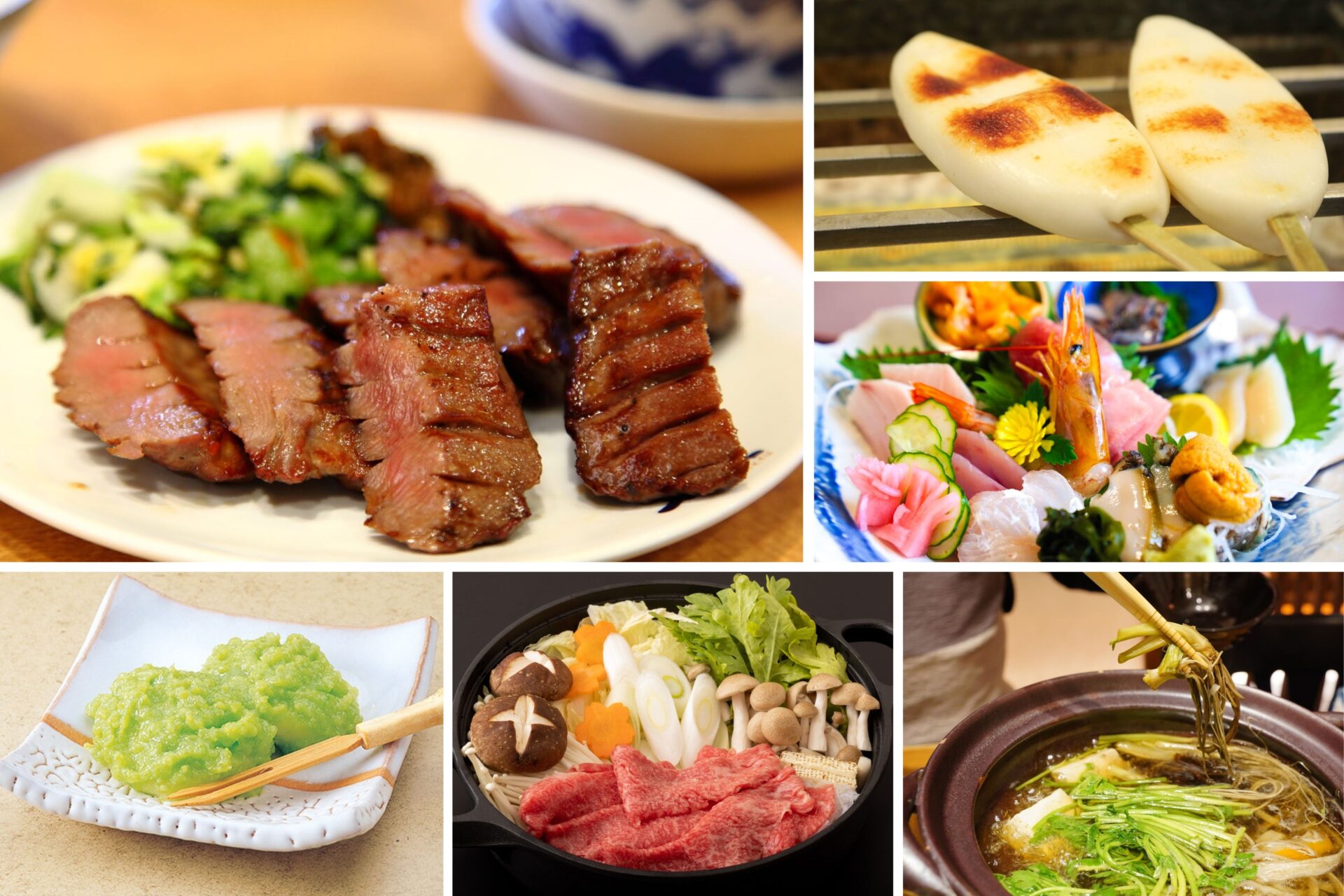
From iconic specialties such as beef tongue (gyutan), zunda, and sasa-kamaboko (bamboo-leaf-shaped fish cakes), to fresh seafood nurtured by the Sanriku and Kinkasan waters, ranked among the world’s three greatest fishing grounds, and supreme Sendai Beef, Sendai is brimming with diverse culinary charms. This guide introduces the must-try local specialties and seasonal delicacies that you cannot miss when visiting Sendai!
🍴 Sendai’s Top 5 Iconic Gourmet Dishes
1. Beef Tongue (Gyutan)
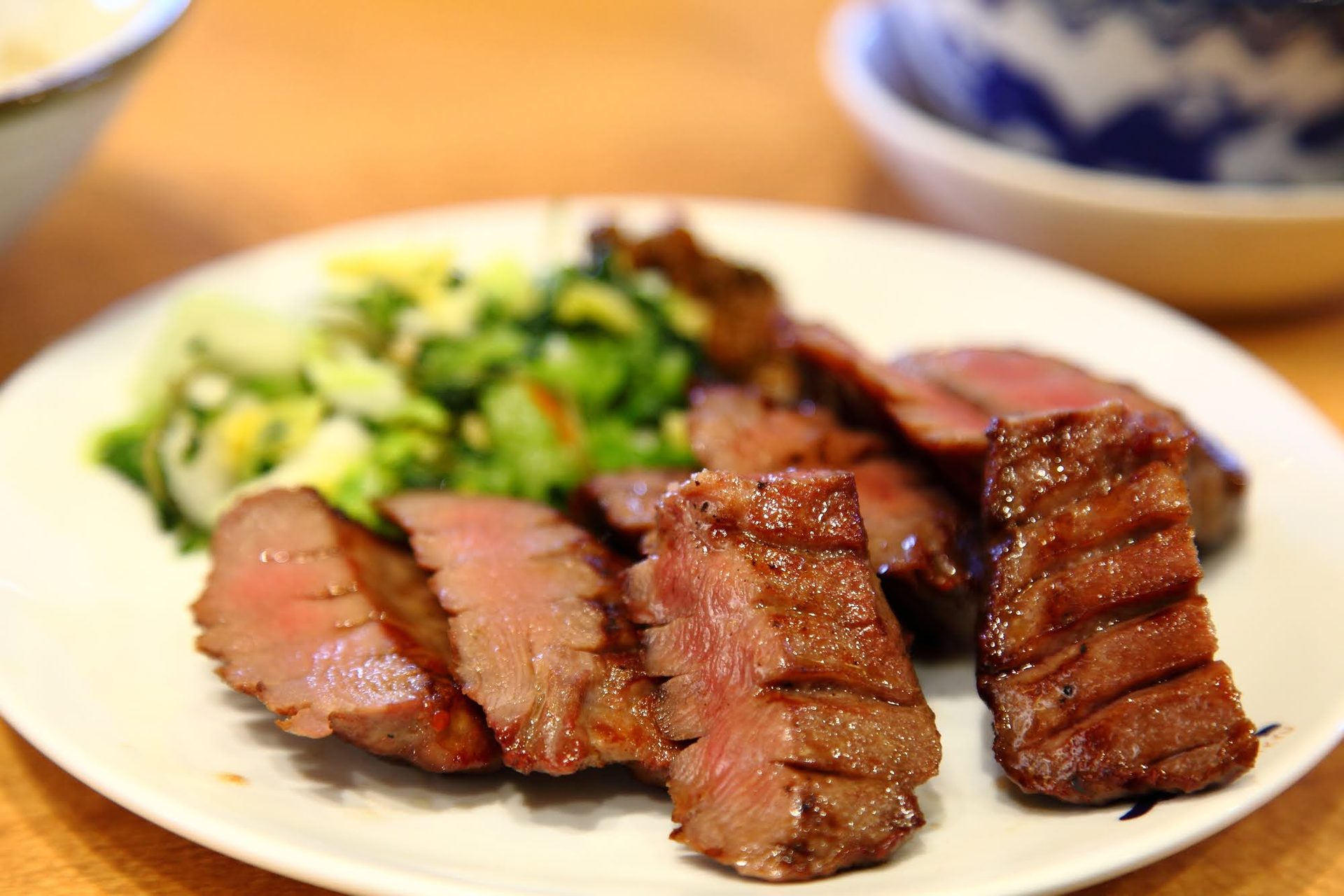
When it comes to Sendai’s must-eat gourmet, “Beef Tongue (Gyutan)” is a must-try. Its history began in 1948, when the founder of the long-established restaurant “Aji Tasuke” drew inspiration from Western beef tongue stew and developed ways to enjoy beef tongue in Japanese cuisine.
Today, there are more than 100 specialty shops throughout the city, and a wide variety of creative beef tongue dishes can also be enjoyed at various izakayas and restaurants!

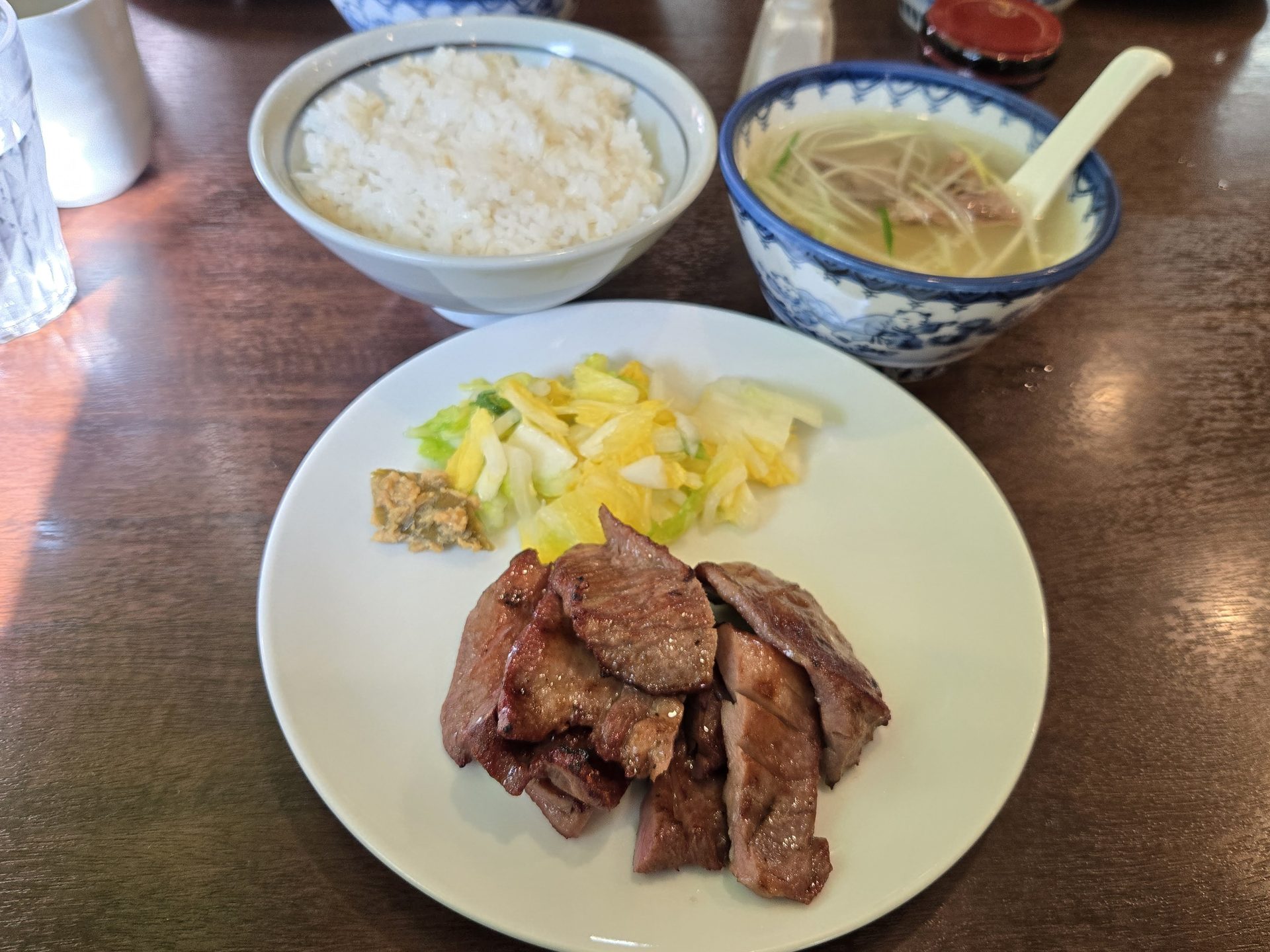
Classic Style: “Gyutan Set Meal”
The classic set meal features thick slices of beef tongue grilled fragrantly over charcoal, accompanied by umami-rich “Oxtail Soup,” “Barley Rice” (rice cooked with pressed barley), pickled cabbage or Chinese cabbage, and “Nanban Miso” (spicy miso-preserved green chili peppers) that adds a delightful savoury kick.
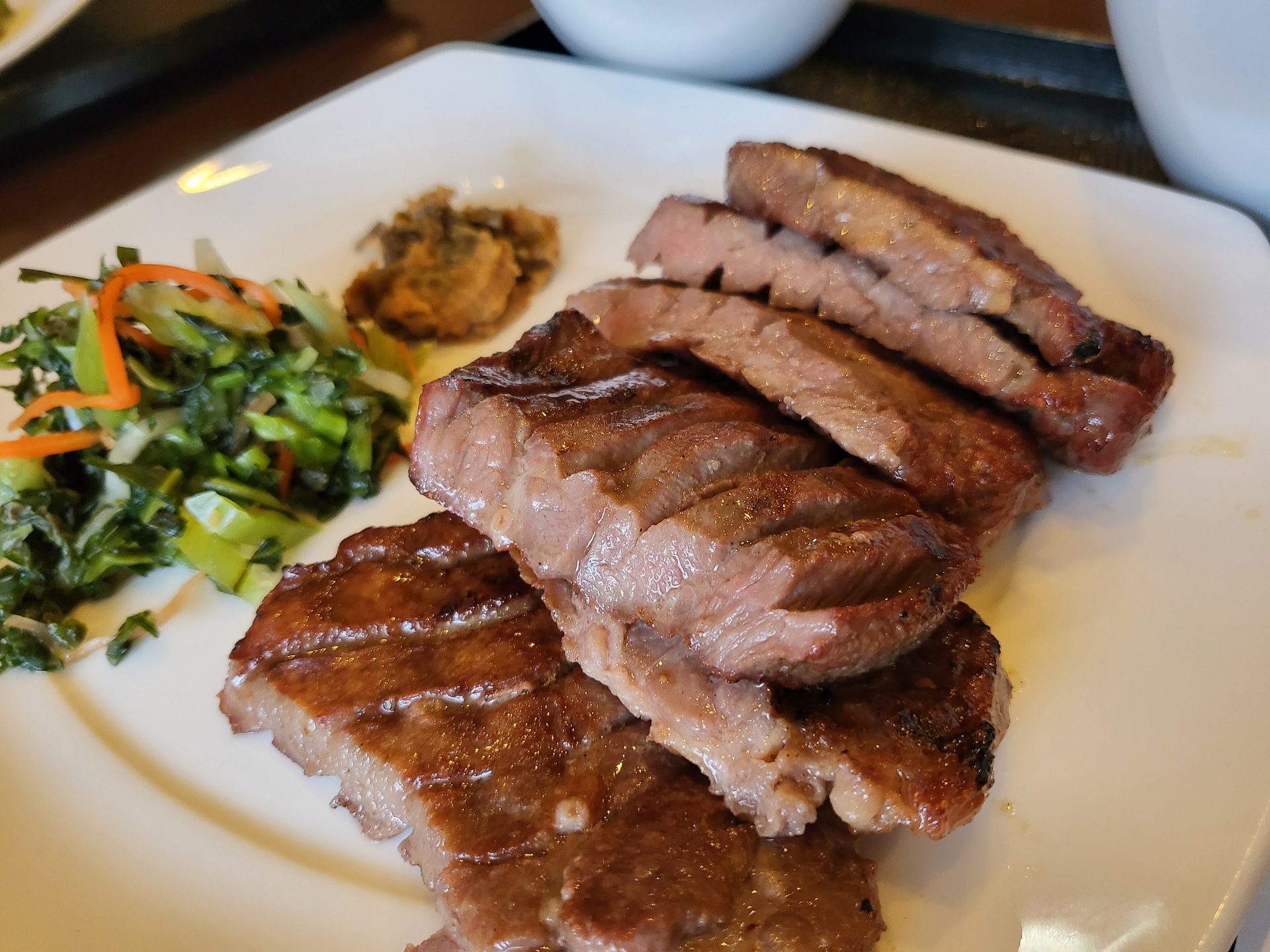
Highlights of Style and Artistic Craftsmanship
Each restaurant takes pride in its own aging process, slice thickness, incising technique, grilling level, and seasoning. In addition to the classic “Salt flavor,” there are variations like “Miso flavor,” making comparing the unique styles of different restaurants one of the true pleasures of Sendai sightseeing.
2. Zunda (Sweet Green Soybean Paste)

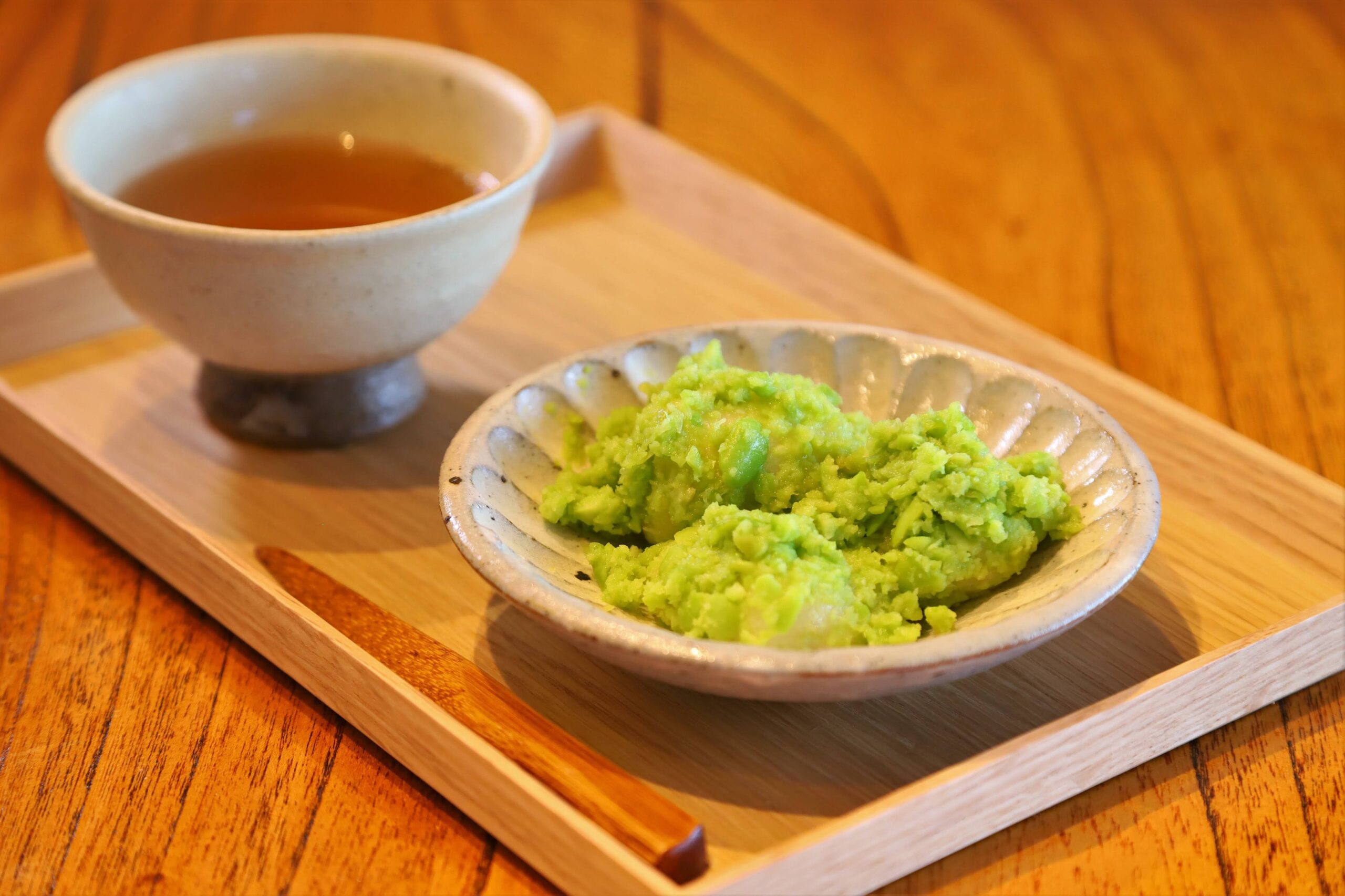
“Zunda”, a traditional sweet paste originating in Sendai and Miyagi, is crafted by boiling green soybeans (edamame), removing their thin skins, crushing them into a paste, and blending them with sugar and a pinch of salt. It is characterized by its vibrant green color and the refreshing aroma and flavor of edamame.
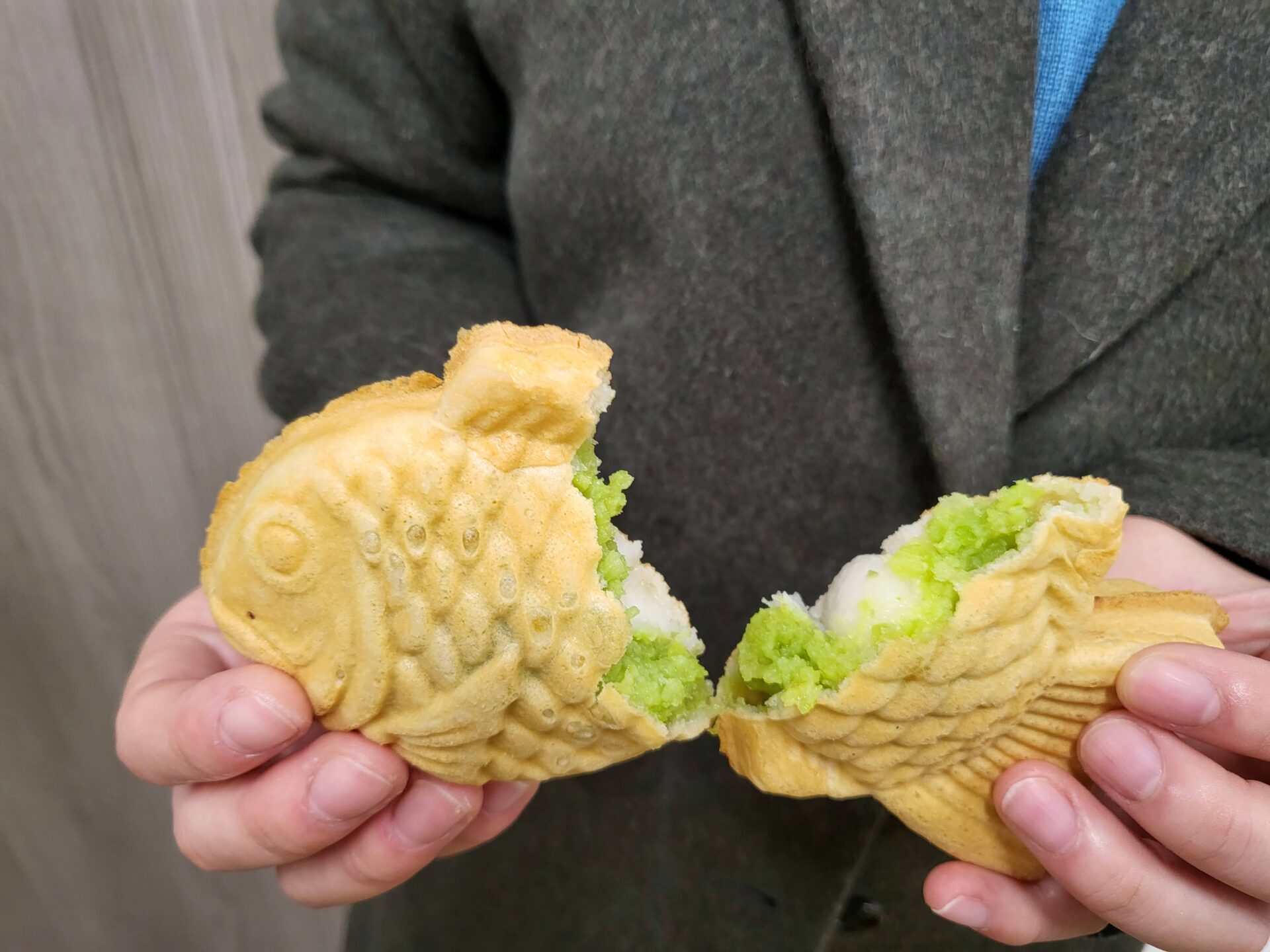
Sendai offers a delicious lineup of Zunda treats. From classics, such as Zunda Mochi and Zunda Dango to the ever‑popular Zunda Shake, freshly made Zunda Taiyaki, and indulgent Zunda cream puffs, parfaits, and roll cakes. Make sure to savor these delightful Zunda sweets found only in Sendai!
3. Sasa-kamaboko (Bamboo-Leaf-Shaped Fish Cake)

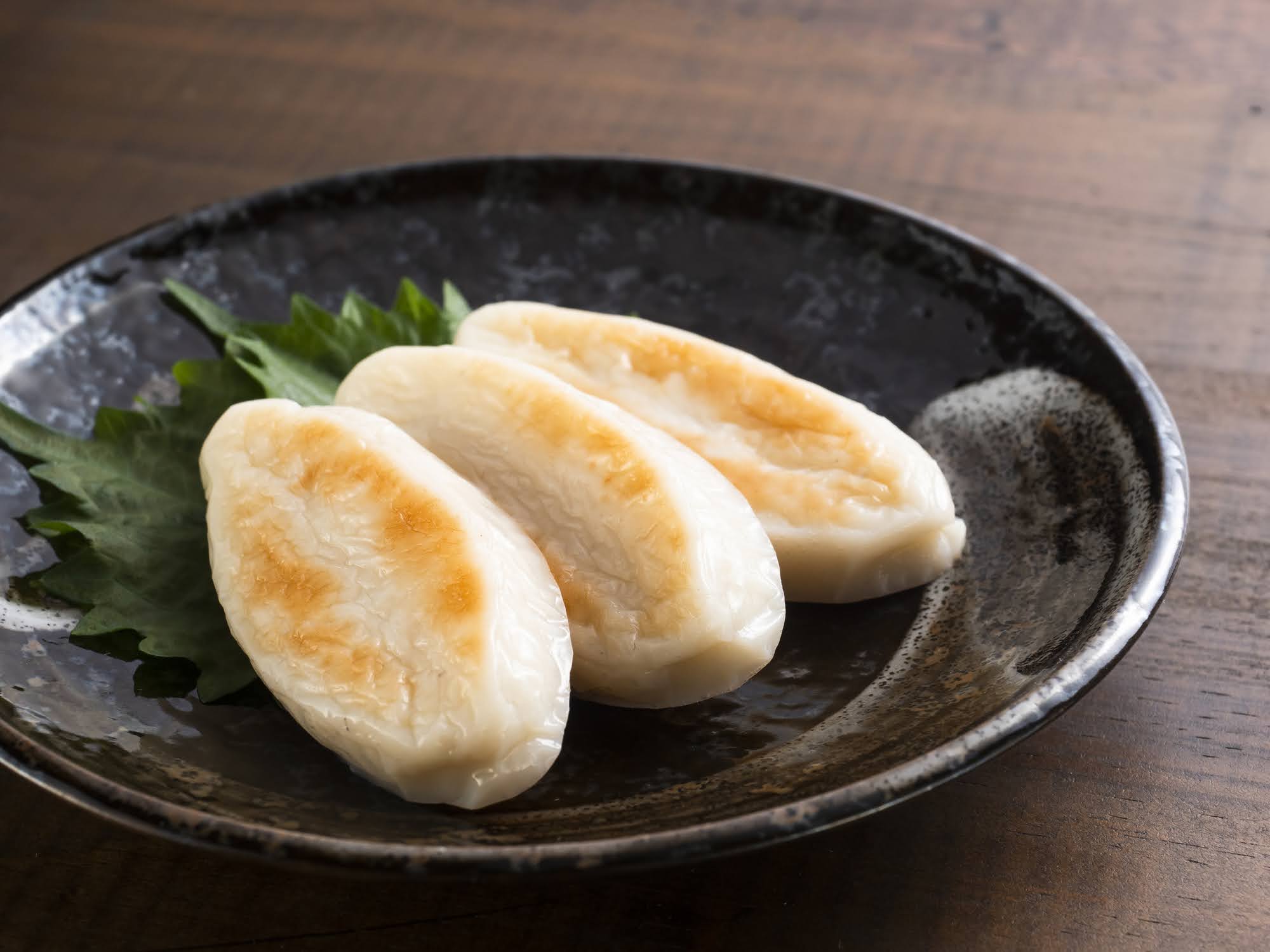
A Miyagi specialty made by shaping white fish puree into a bamboo leaf form and grilling it to fragrant perfection. It was named by the historic boutique “Abe Kamaboko-ten.” The bamboo-leaf shape originates from “Bamboo and Sparrows (Take ni Suzume),” the family crest of the ruling Date Clan.

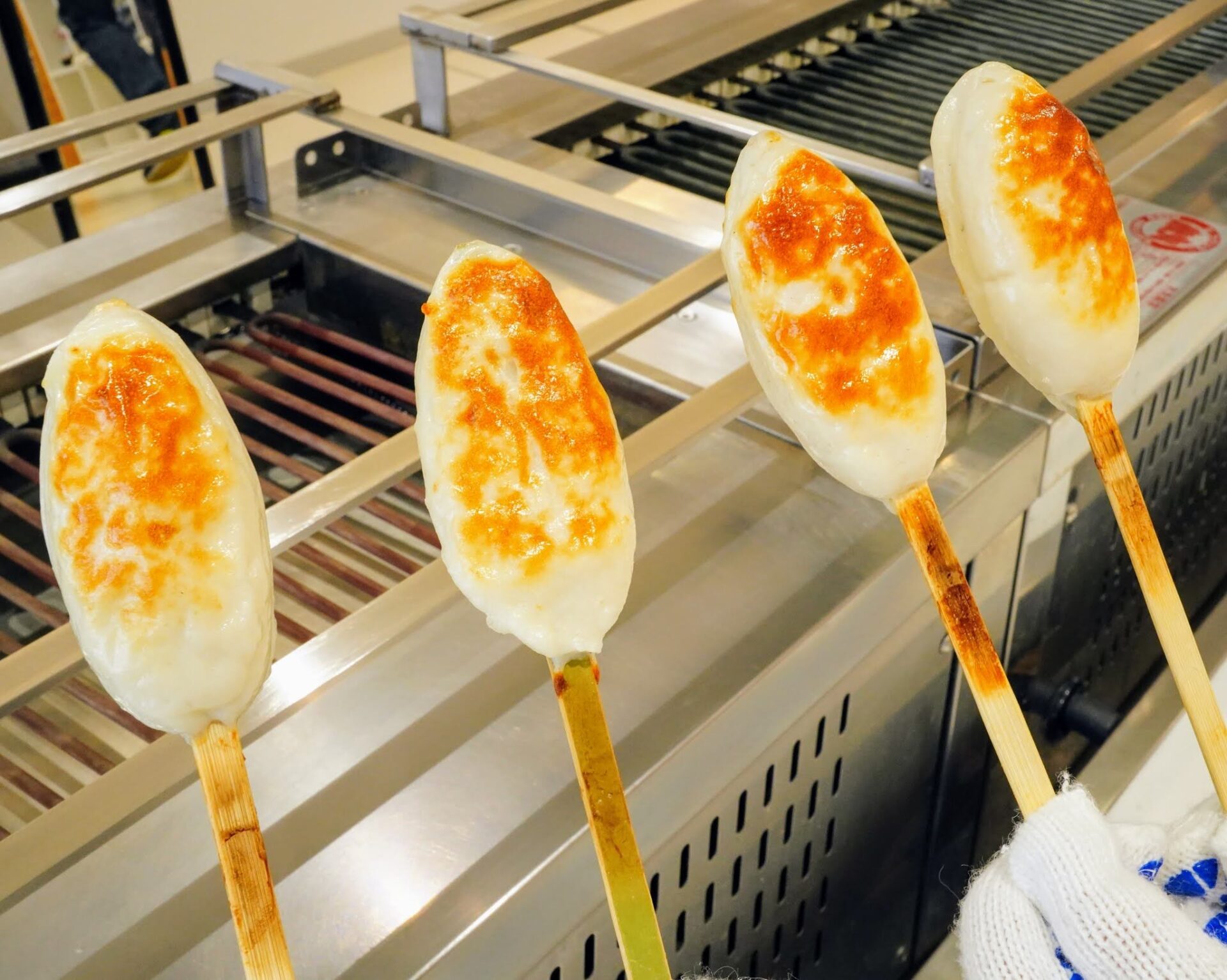
In addition to the original fish cakes, which feature a chewy texture and rich fish flavour, various shops have introduced a wide variety of options, including those with cheese, chopped beef tongue, or smoked flavours. At some locations in and around the city, you can even enjoy the fun of grilling fish cakes yourself, making them perfect as souvenirs or as a snack while out for a stroll.
4. Sendai Beef

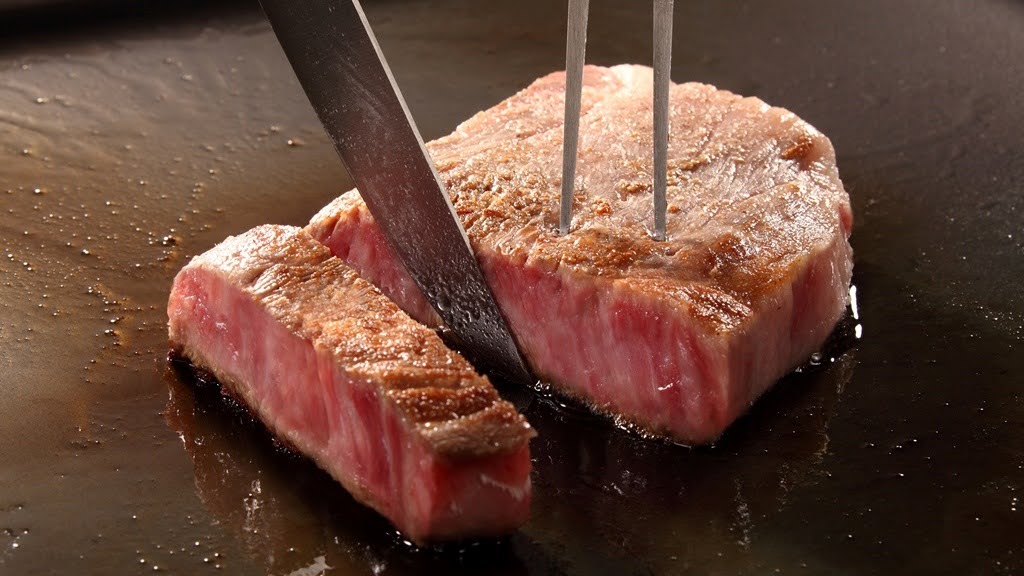
A premier brand of Japanese Wagyu beef raised on pristine natural waters and high-quality rice straw unique to Miyagi, one of Japan’s foremost rice-producing regions. Only cattle that pass rigorous standards and achieve the highest rating of “A5” or “B5” are certified as “Sendai Beef.”
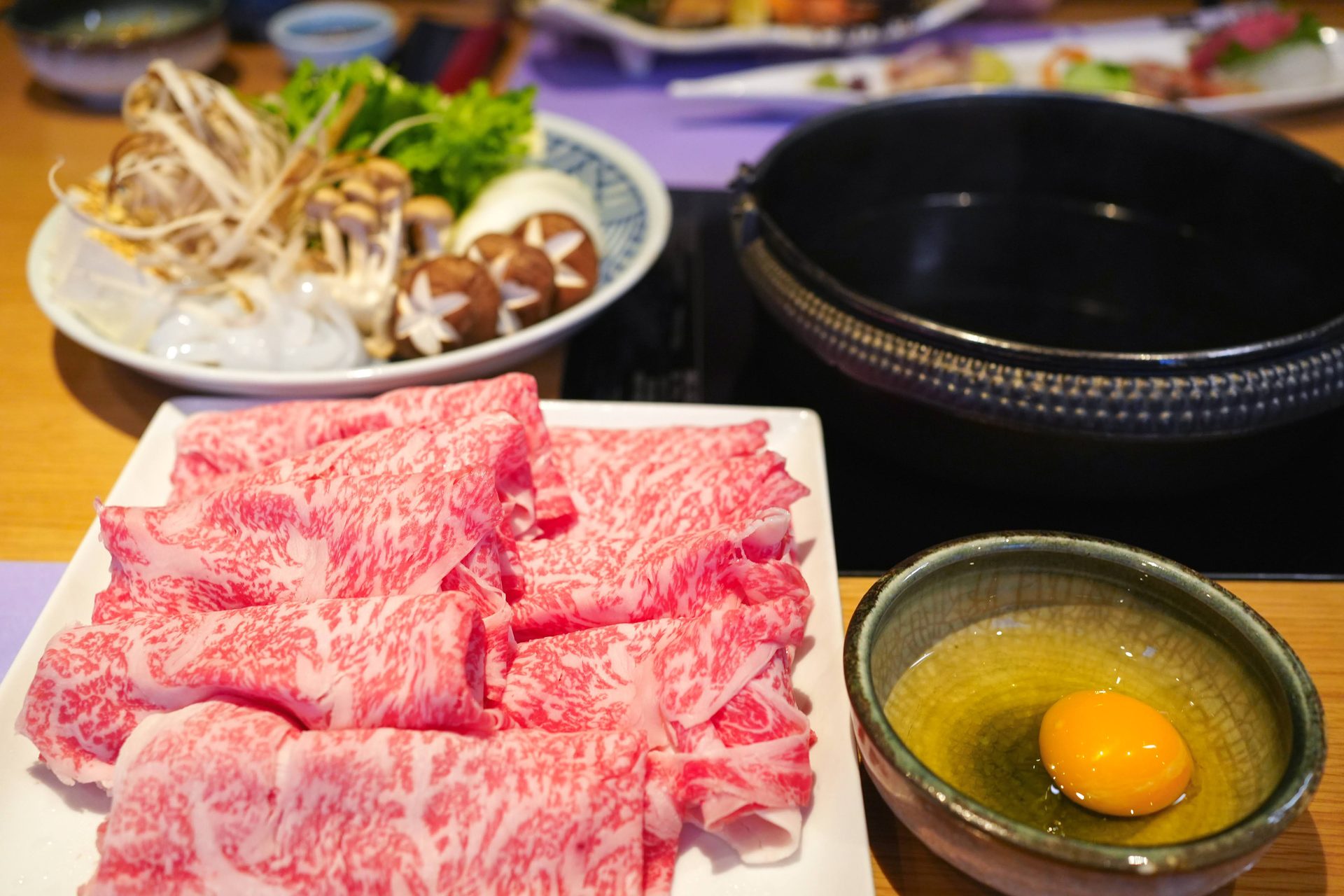
Recommended ways to enjoy
Its greatest appeal lies in the delicate, high-quality “snowflake marbling” that melts at low temperatures. In addition to enjoying classic steak or Japanese-style grilled beef, “shabu-shabu” helps wash away excess fat and brings out the meat’s pure, sweet flavor; meanwhile, the perfectly balanced sweet-and-salty broth of “sukiyaki,” paired with silky raw egg, brings out the beef’s rich, savory flavor to the fullest.
5. Seafood & Sushi
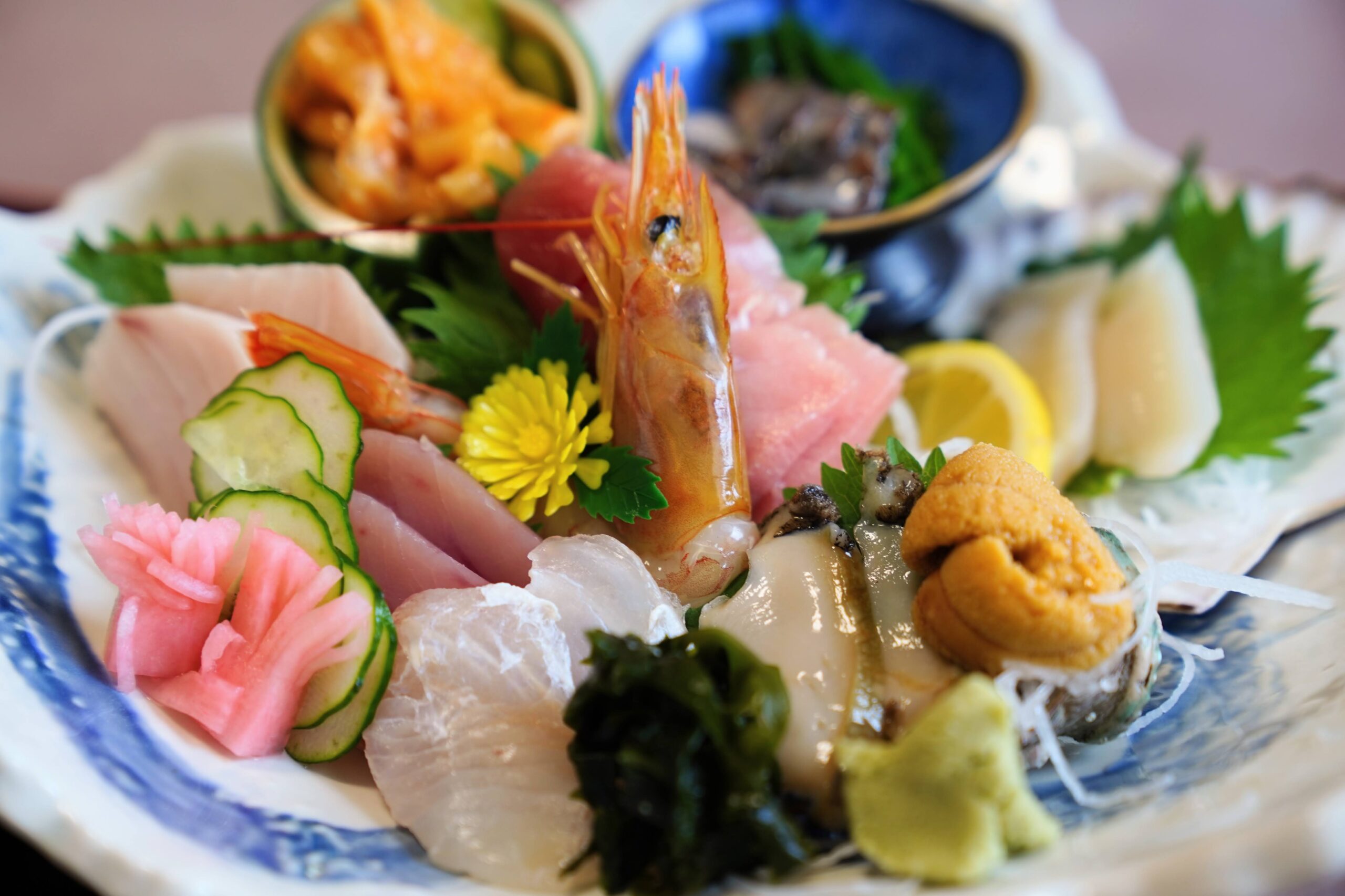
Sendai lies along the rich Sanriku and Kinkasan waters of the Pacific Ocean, celebrated as one of the world’s top three fishing grounds. Thanks to the meeting of cold and warm currents, exceptionally fresh seafood is brought into local ports every day.
Seasonal specialties change throughout the year, but choosing local catches, known as “Kinkaimono” such as Miyagi salmon, oysters, and tuna, is the key to an unforgettable meal.
“Kinkaimono” refers to seafood landed in nearby coastal waters, offering unmatched freshness and the very best of each season.

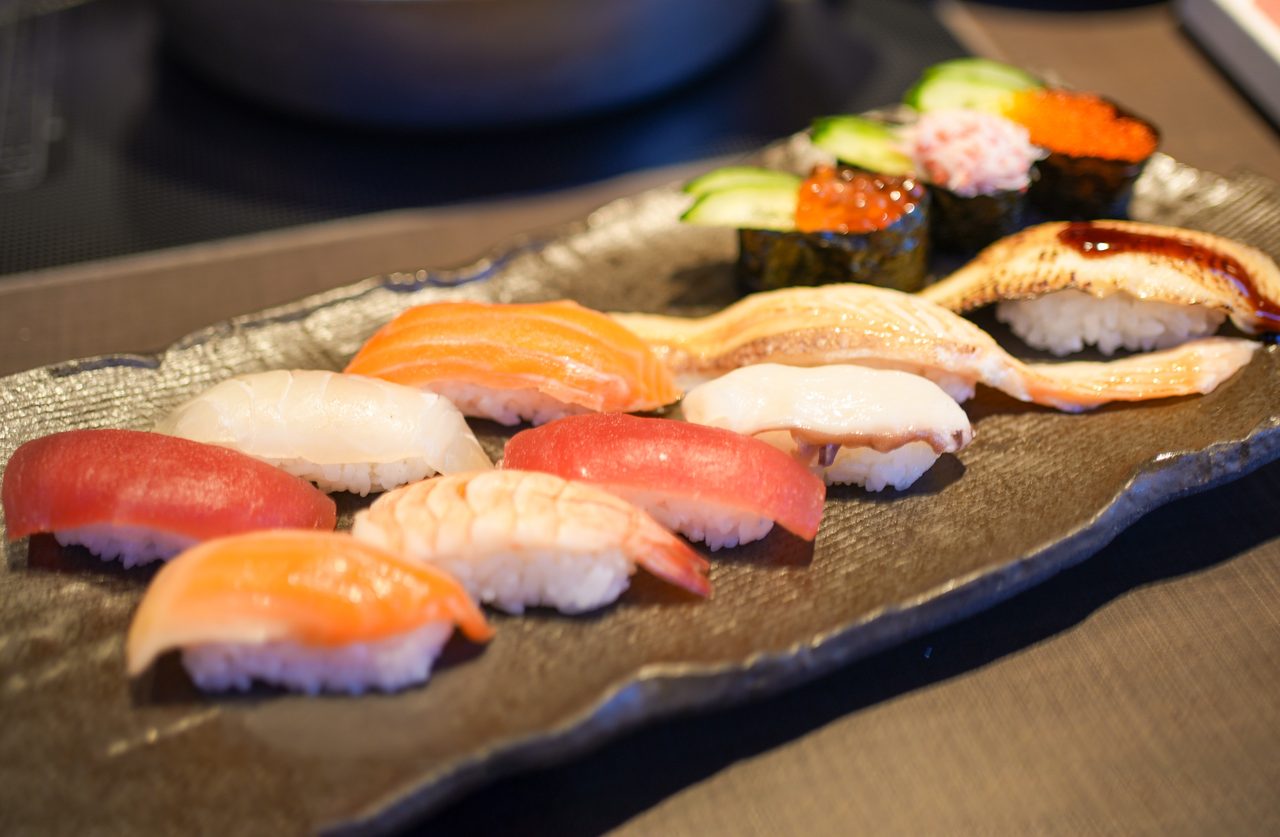
Savoring the most exquisite sushi in the Birthplace of Sasanishiki Rice
Miyagi is the birthplace of “Sasanishiki,” a rice variety enjoying tremendous acclaim as the ideal sushi rice. Known for its delicate cooked aroma, light stickiness, and grains that gently separate in the mouth, it makes the perfect sushi rice (shari). Experiencing the seamless harmony between fresh seafood toppings and superb shari is a must!
Blessed with rich fishing waters, Miyagi Prefecture lets you savor a wide variety of fresh seafood. Here are some of the standout varieties you should look out for:
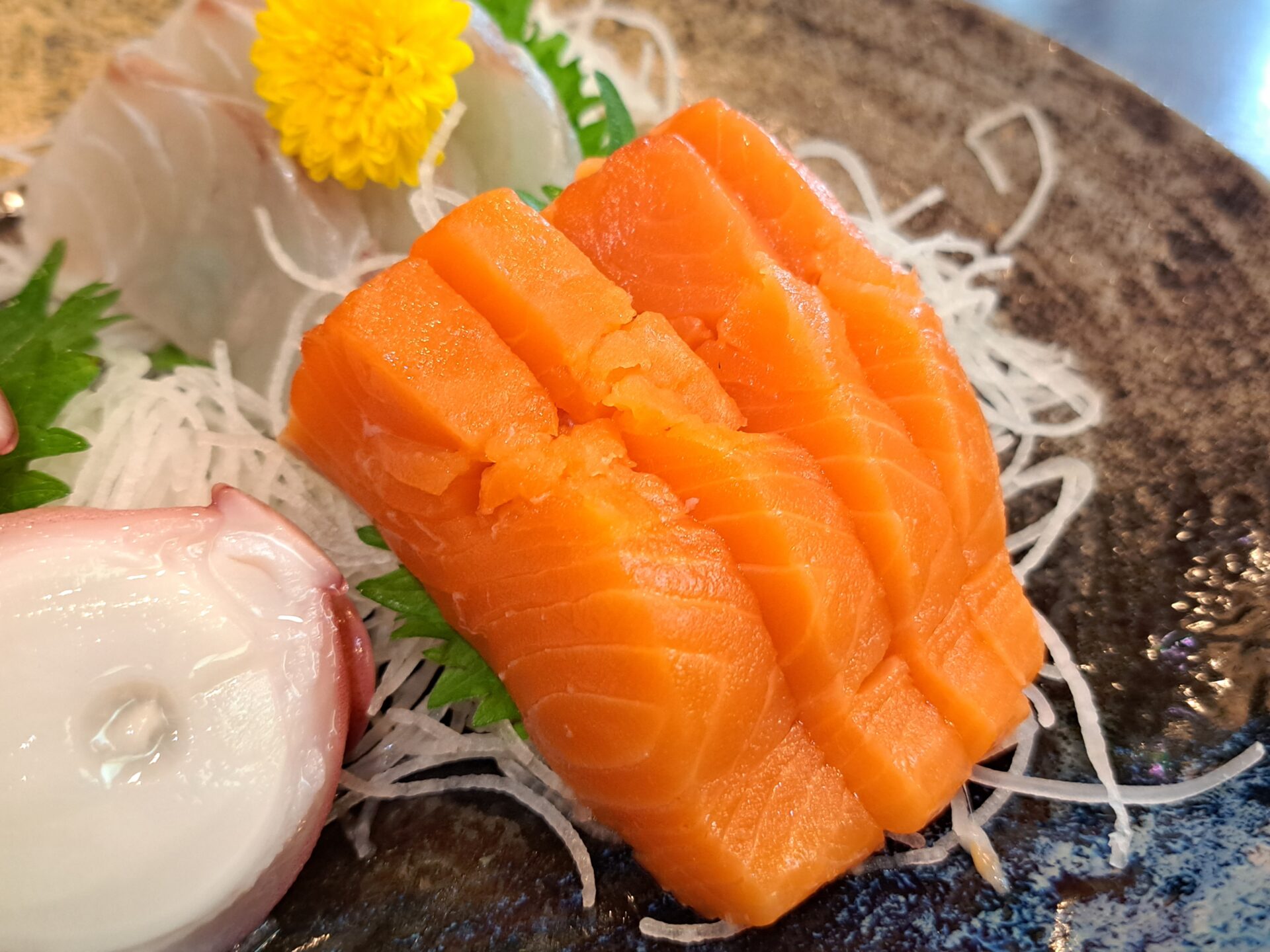
Miyagi Salmon
“Miyagi Salmon” is a premier brand of coho salmon proudly produced in the Miyagi Prefecture. Thanks to rigorous quality control and advanced fresh-preservation techniques, its greatest appeal is that it can be enjoyed wonderfully raw as sashimi and sushi, as well as cooked. Revel in its rich, fat marbling, deep umami, and melt-in-the-mouth, elegant texture.
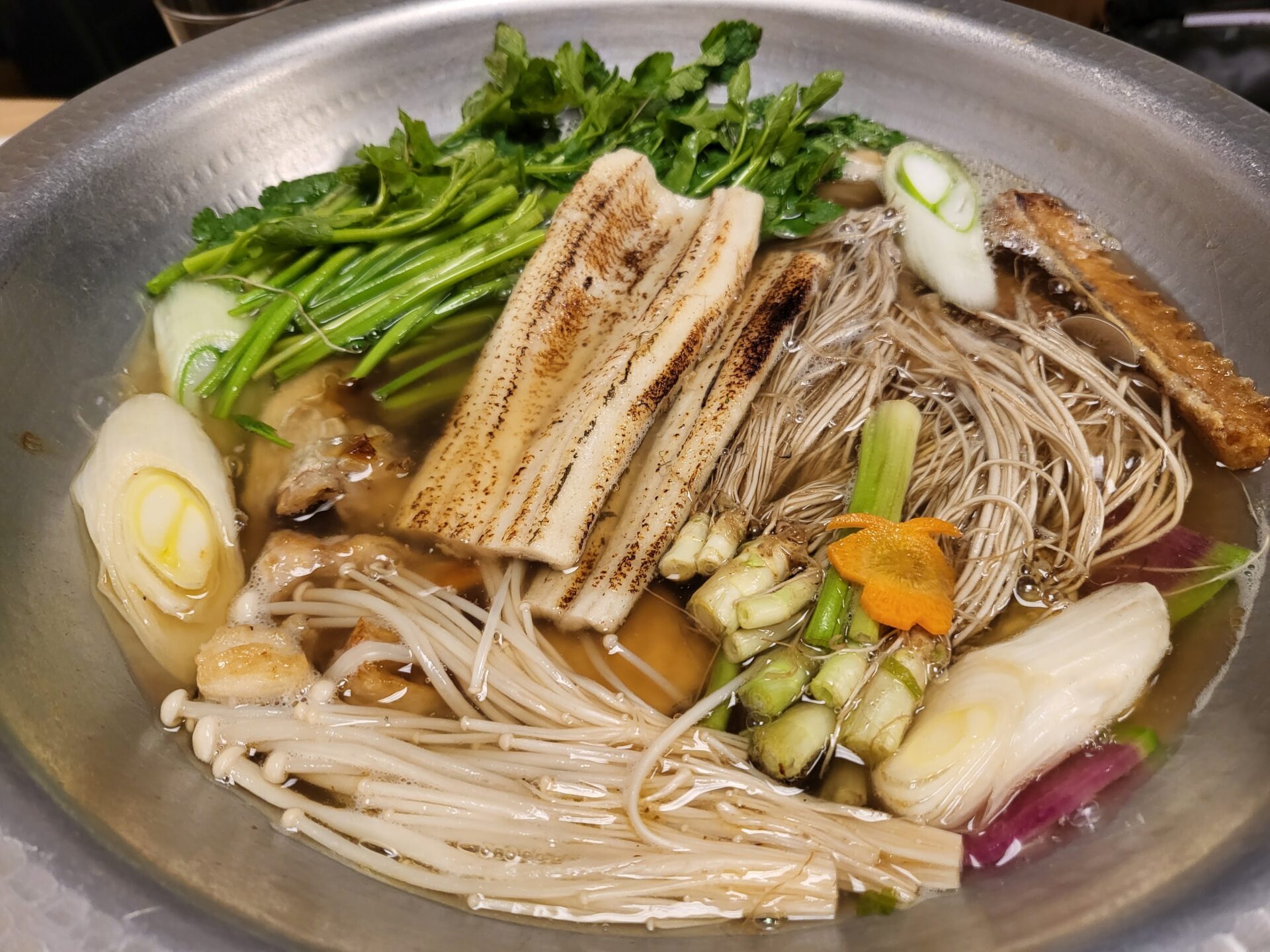
Conger Eel (Anago)
Miyagi Prefecture, especially the Ishinomaki area, is renowned nationwide for producing top-quality conger eel. Nurtured by nutrient-rich waters, the conger eels are thick, tender, and richly flavored. Beyond crispy and fluffy tempura, savory-sweet glazed anago-ju rice boxes, and delicately grilled shirayaki, it is also highly popular in winter as an ingredient that enriches the broth of Sendai’s specialty “Seri Nabe” hot pot.
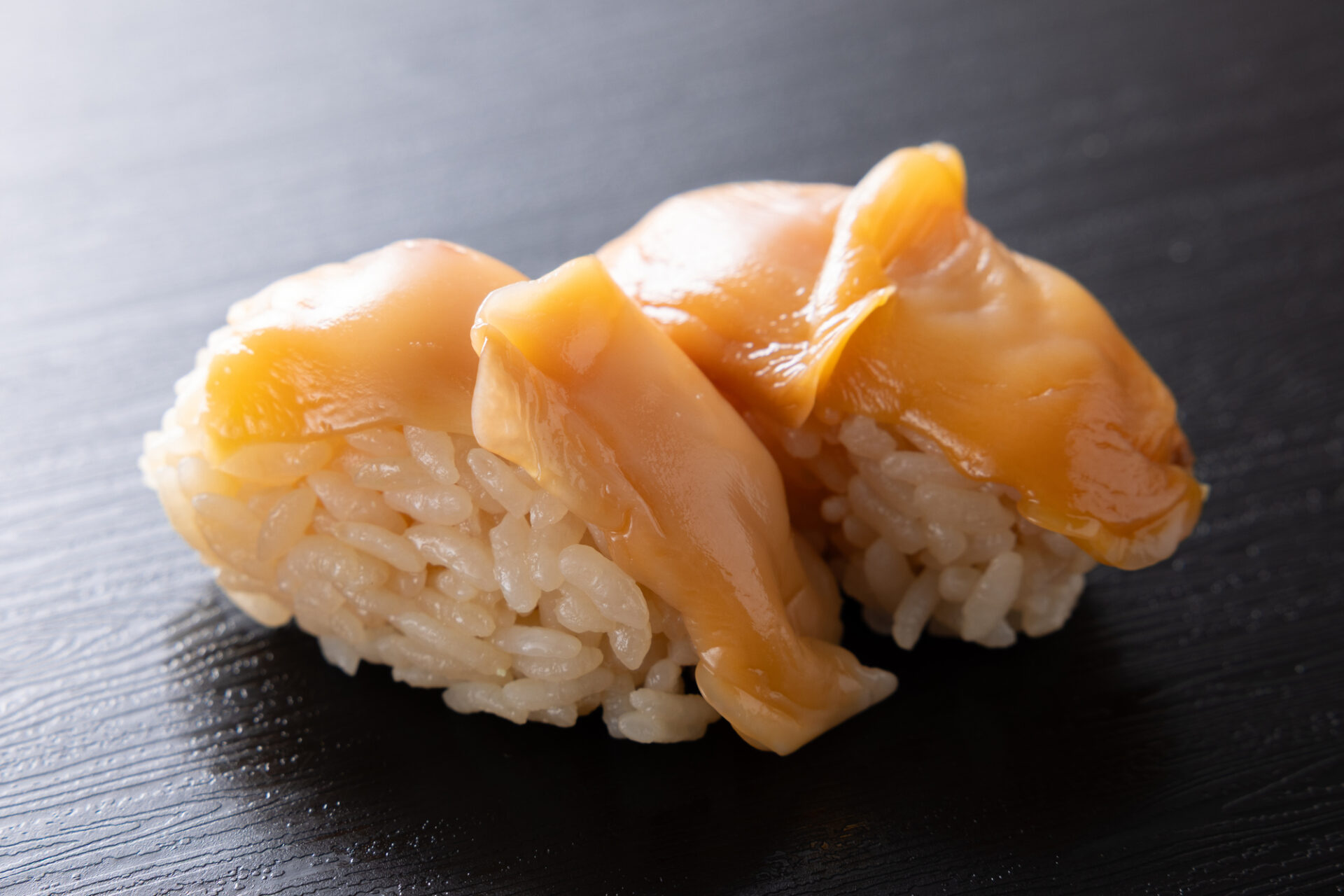
Ark Shell / Red Clam (Akagai)
Ark shells harvested in Yuriage, Natori City, Miyagi, are hailed as Japan’s finest in flavor, aroma, and vibrant color. Featuring a brilliant reddish hue, a satisfying crisp bite, and a rich oceanic aroma that deepens with every chew, this supreme delicacy, prized by high-end sushi establishments across Japan. The freshness here is unparalleled.
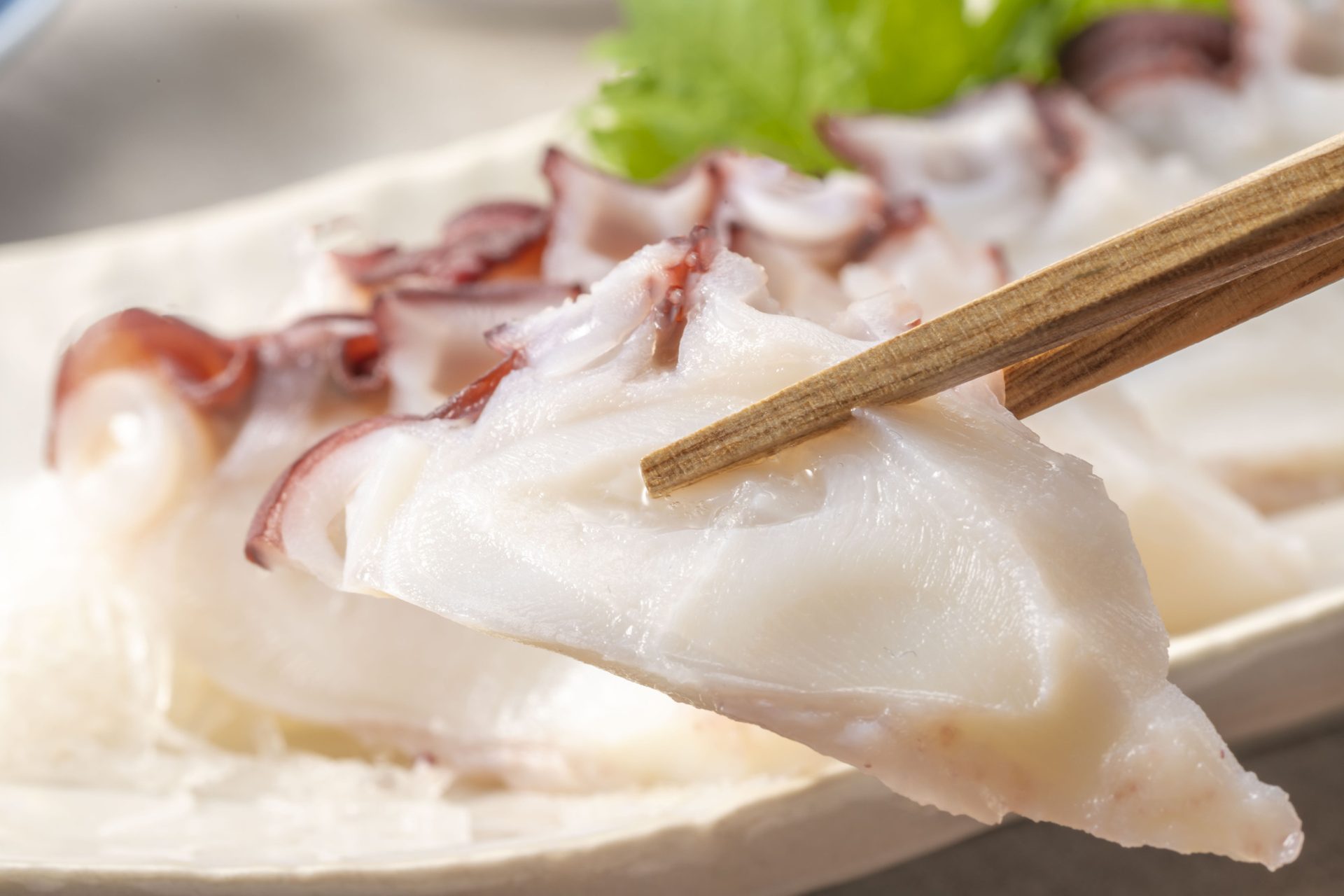
Octopus
Octopus from the Shizugawa area in Minamisanriku Town, Miyagi, is celebrated alongside Akashi in the west as “Akashi in the West, Shizugawa in the East.” Because they feed on luxurious marine life such as abalone, their tentacles are plump, exceptionally rich in umami, and carry a distinct, delicate abalone-like aroma.
🍂 Seasonal Delicacies: Savoring the Four Seasons of Flavor
The true allure of food in Sendai and Miyagi lies in the fresh seasonal flavors that change throughout the year. Whenever you visit, be sure to relish the special tastes unique to that very season.
[Spring to Summer]

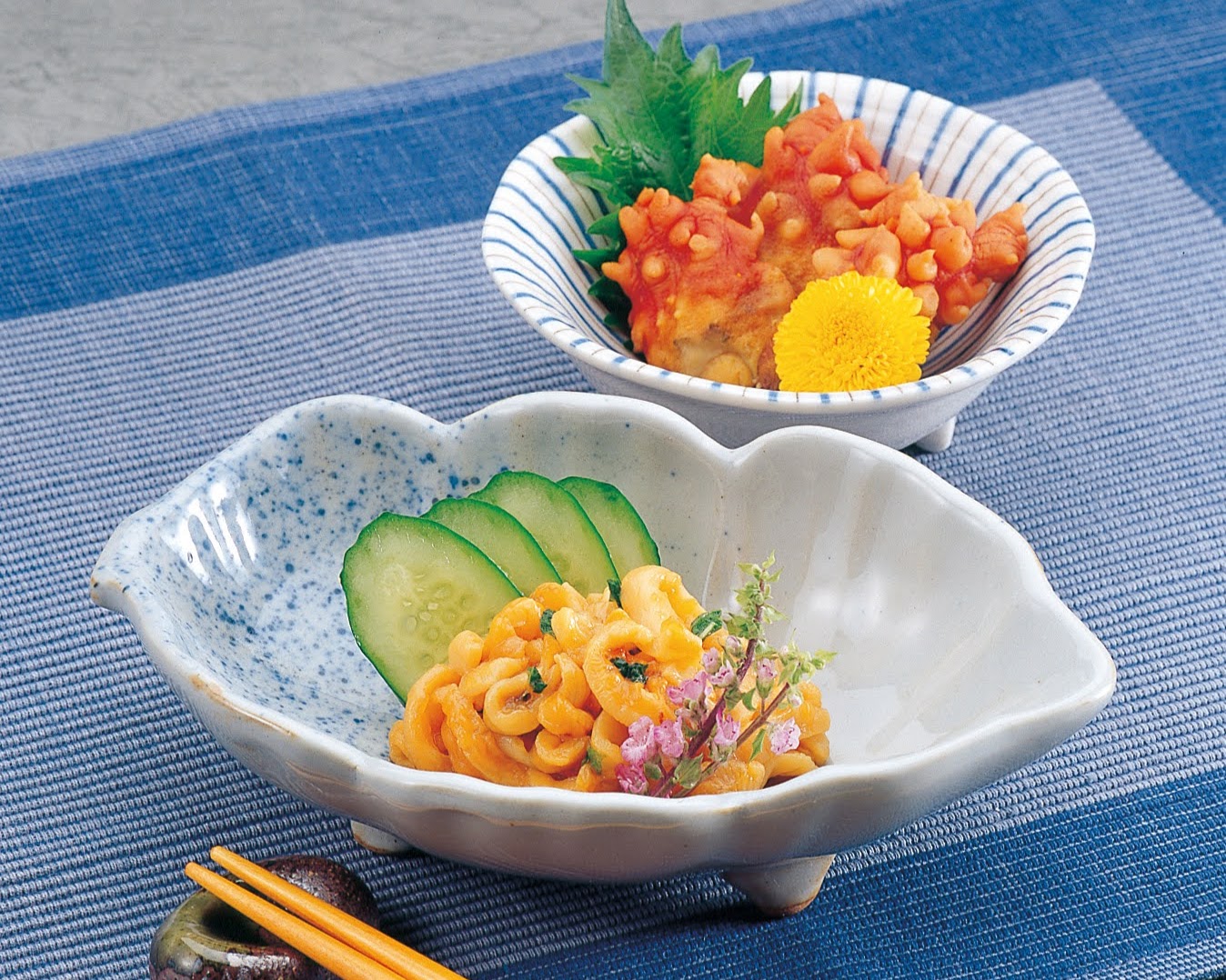
Sea Pineapple (Hoya / Sea Squirt)
Known as the “Sea Pineapple,” the sea squirt (Hoya) is a signature seafood delicacy of Miyagi and Iwate. Its appeal lies in its deep, rich flavor—a concentrated essence of the ocean. After tasting sea squirt, sipping sake or water leaves a subtle, wonderfully sweet aftertaste lingering on the palate.
Enjoy it as sashimi, steamed, deep-fried (karaage), ajillo, or incorporated into ramen and fried rice. While in peak season from spring through summer, advanced freezing technology now allows you to enjoy it deliciously all year round.
[Autumn]
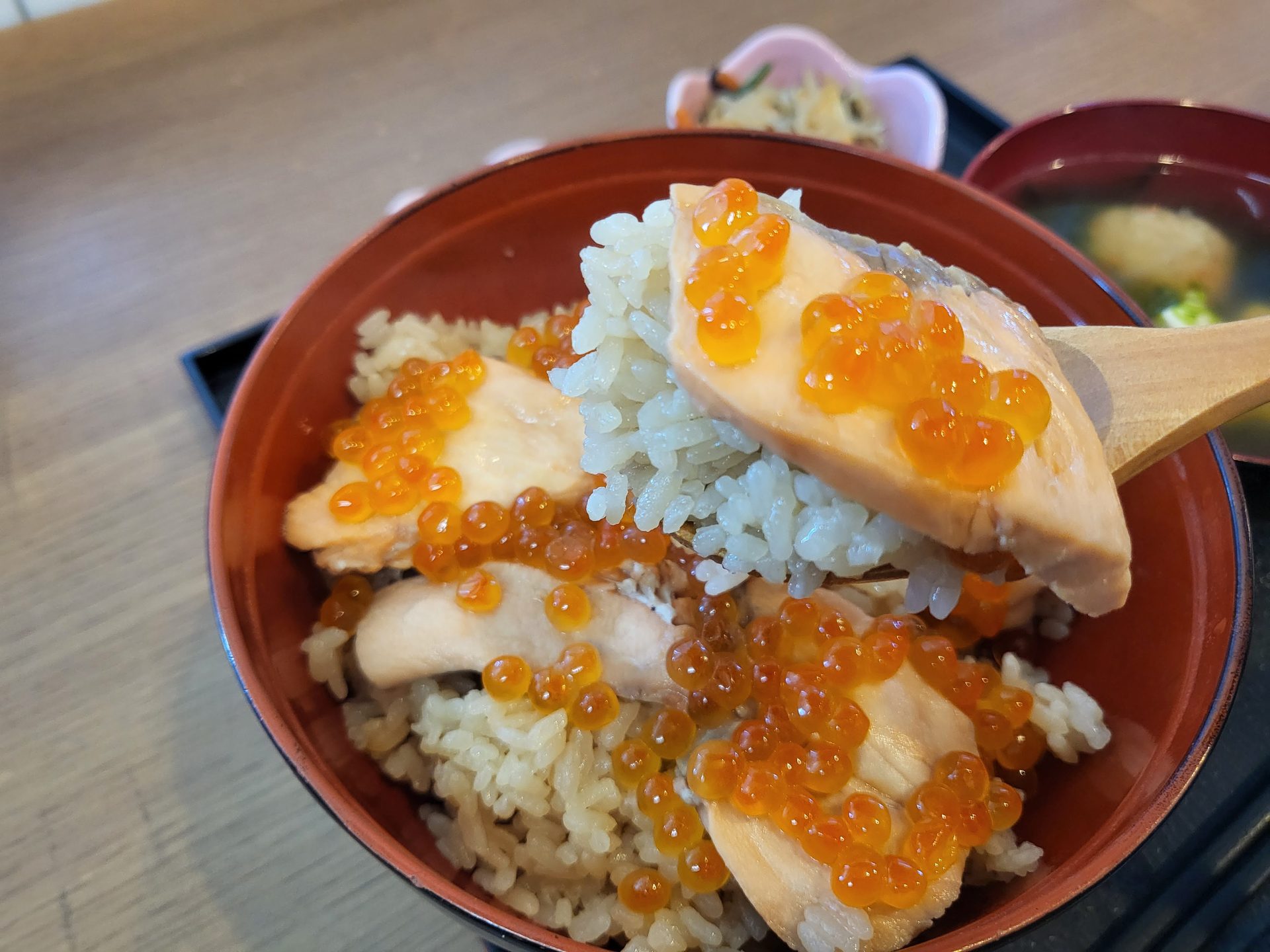
Harako-meshi (Salmon and Salmon Roe Rice)
Originating in Watari Town, Miyagi Prefecture, “Harako-meshi” is a signature autumn local dish using seasonal salmon swimming upriver when it is at its prime. The secret to its flavor lies in simmering fatty autumn salmon in soy sauce and mirin broth, and then cooking the rice in this umami-concentrated broth. Steaming rice is generously topped with tender salmon flakes and shimmering salmon roe (harako).
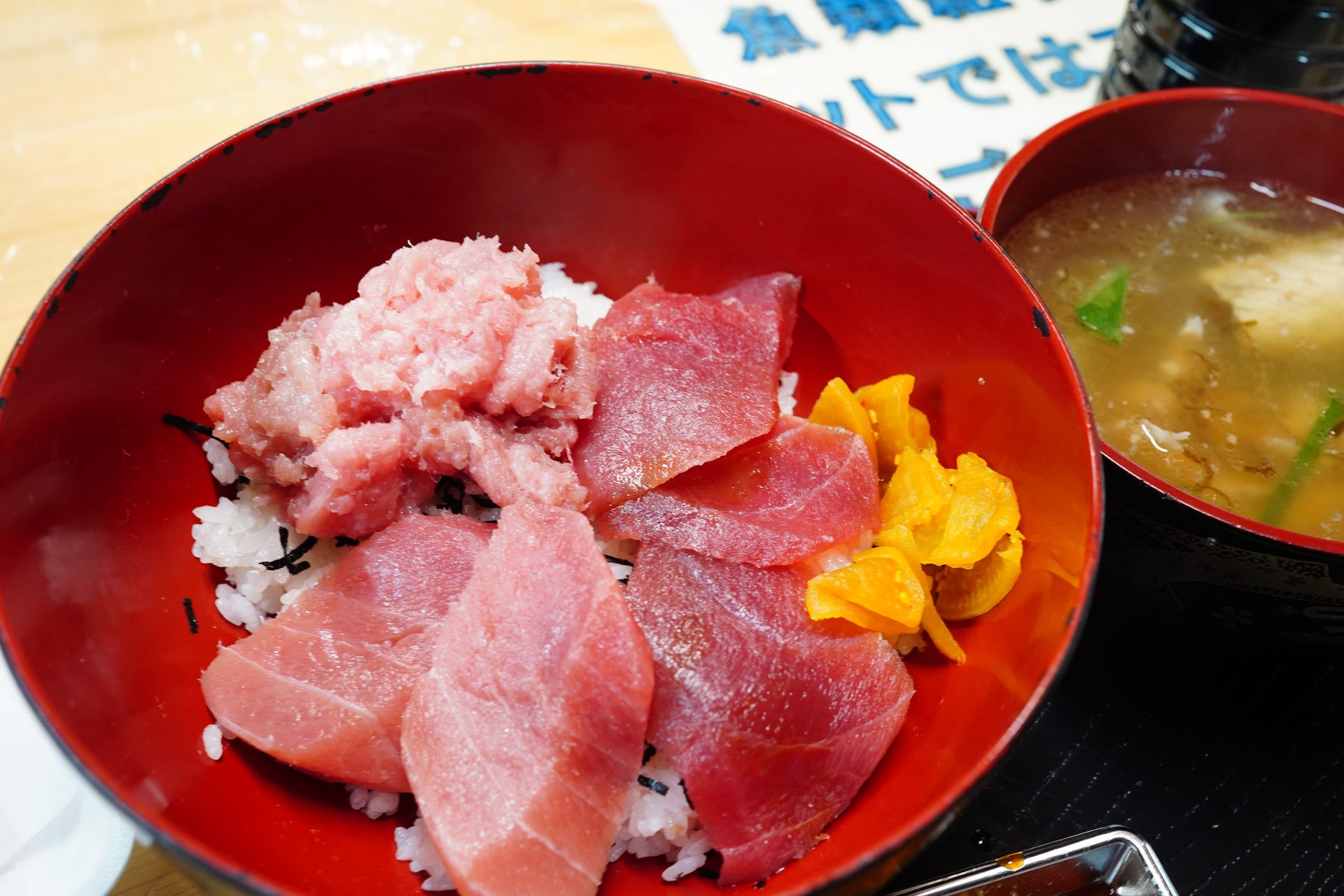
Sanriku Shiogama Higashimono (Premium Bigeye Tuna)
“Sanriku Shiogama Higashimono,” landed at Shiogama Port in Miyagi Prefecture, is a premium brand of fresh bigeye tuna (not frozen) that can only be enjoyed for about three months during the fall (September through December). In particular, from late October through November, its fat content peaks, making this the prime season to savor it. It is precisely because this fish is fresh and unfrozen that it offers such a velvety, melt-in-your-mouth texture and a rich, sweet, and savory flavor of the highest quality.
[Winter]
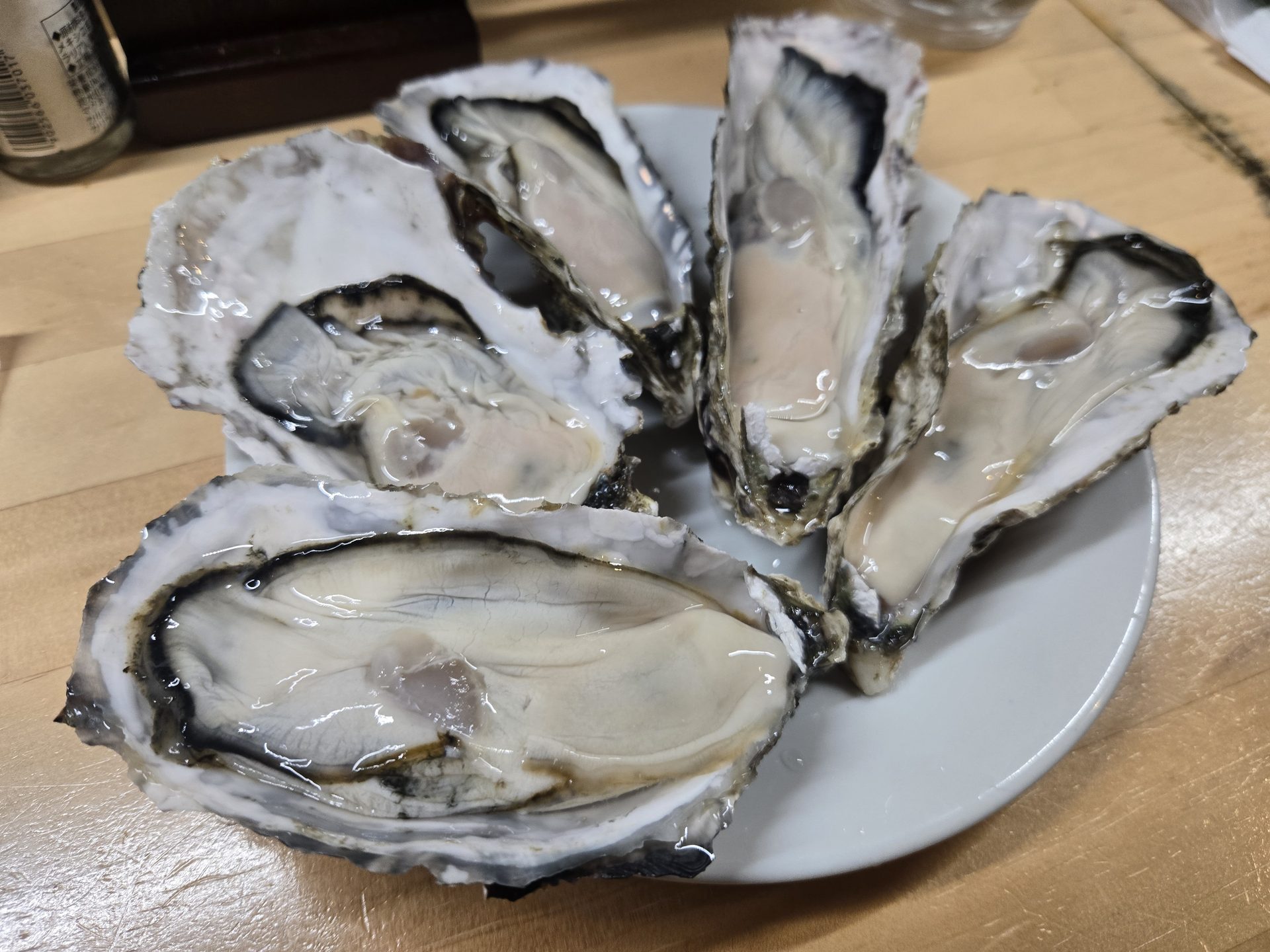
Oysters (Kaki)
Pacific oysters in Miyagi Prefecture reach their peak season from late October to around March. Raised in waters enriched by mountain nutrients and abundant plankton, Miyagi oysters are distinguished by their creamy, rich flavor bursting with concentrated umami. Miyagi boasts Japan’s highest harvest of oysters certified for raw consumption, allowing you to enjoy them as fresh raw oysters, crispy deep-fried oysters (kaki fry), oyster ramen, or all-you-can-eat steamed oysters.
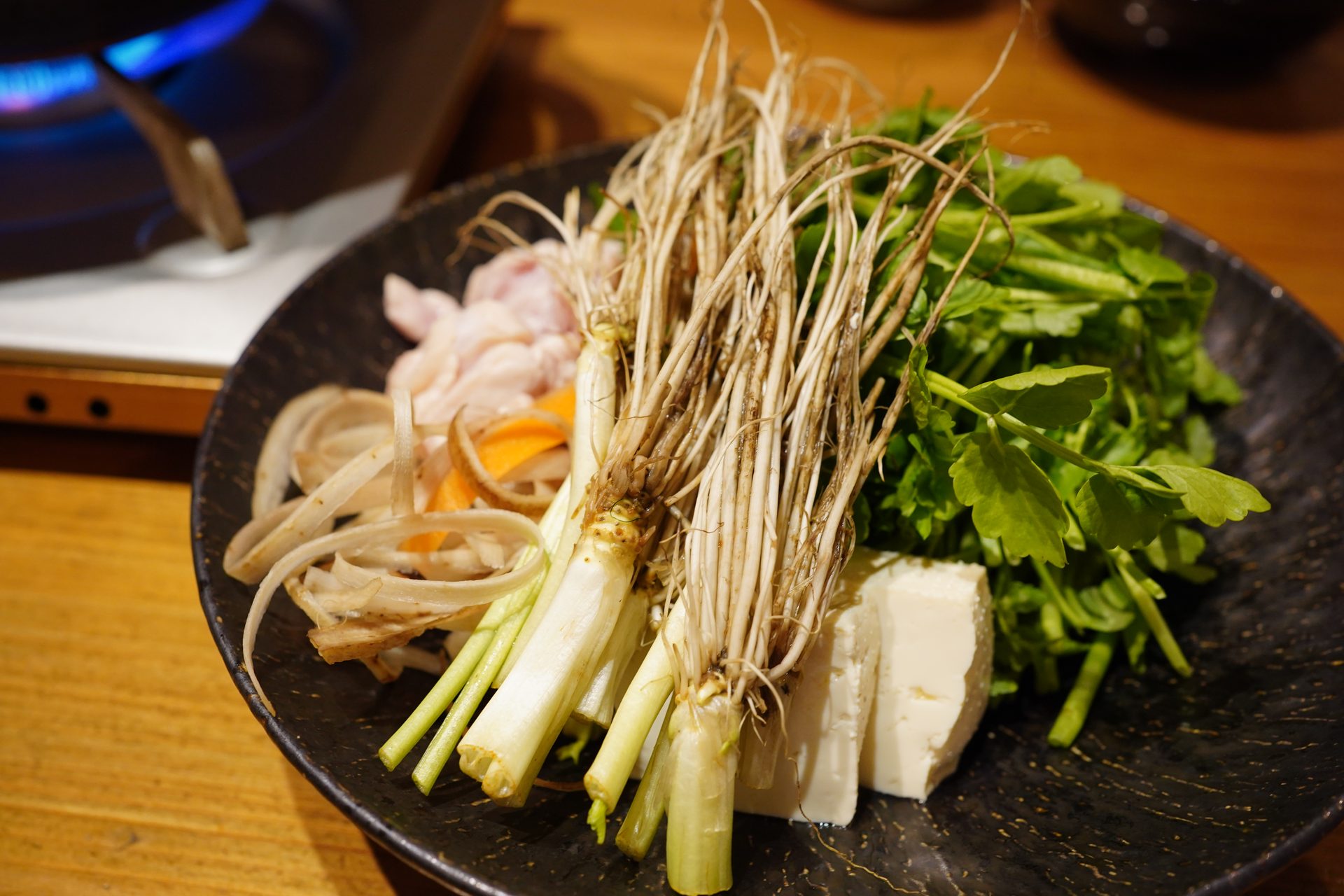
Sendai Seri Nabe (Japanese Parsley Hot Pot)
“Sendai Seri” (Japanese parsley) is a signature winter vegetable of Sendai. In season from November to March (peaking from December to February), seri is beloved for its refreshing aroma and crunchy texture. A defining feature is eating the entire plant, its leaves, stems, and especially the sweet, flavor-packed roots. “Sendai Seri Nabe,” cooked in savory duck or chicken broth, is an exquisite winter tradition that warms both body and soul.
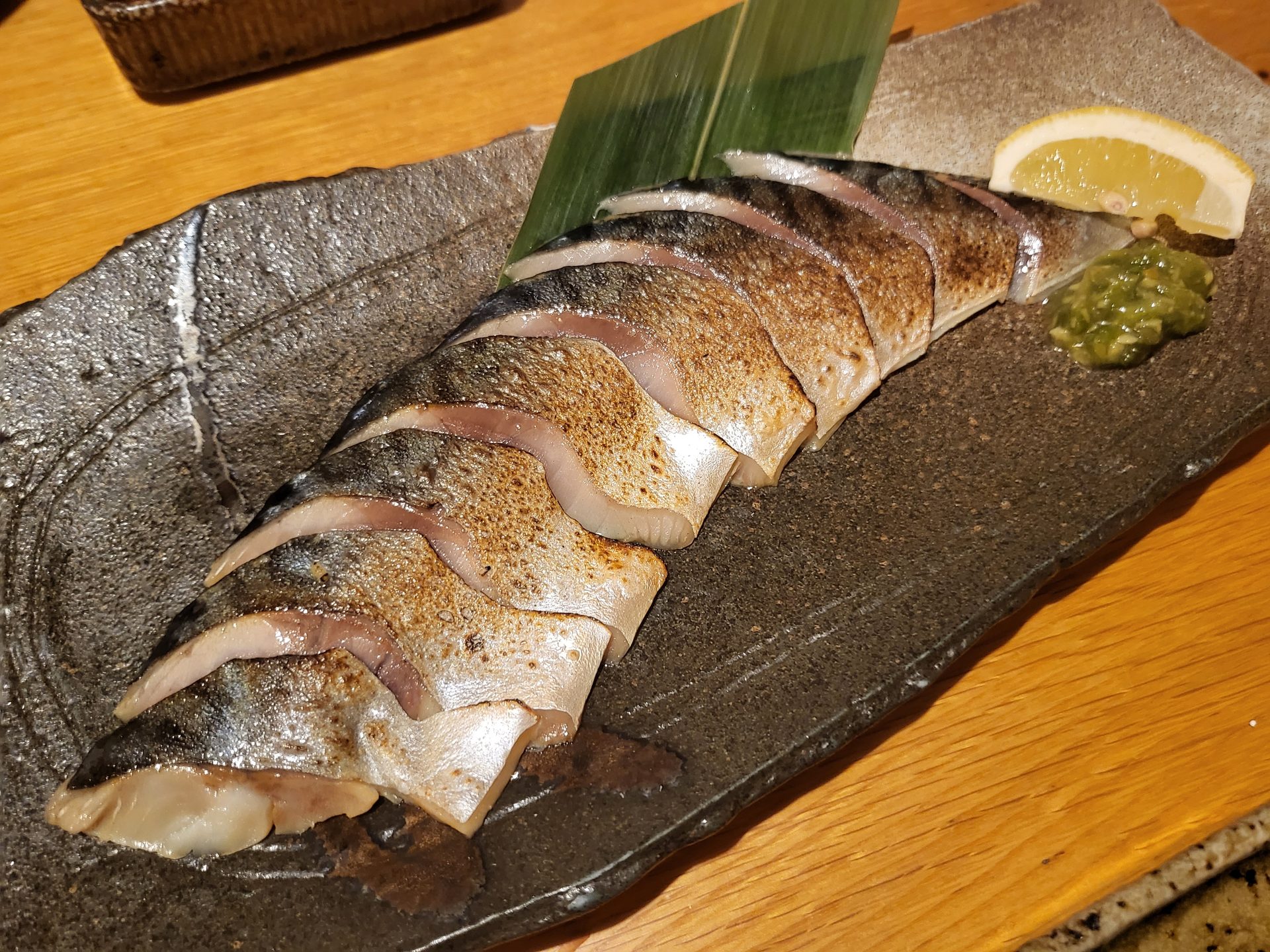
Kinka Saba (Kinka Mackerel)
Harvested off the coast of Mt. Kinka (one of the world’s three greatest fishing grounds) and landed at Ishinomaki Port, “Kinka Saba” is an ultra-strictly selected brand of Pacific mackerel. Especially from autumn into winter during its peak season, its firm flesh is richly marbled with overflowing fat, earning it the nickname “The Golden Mackerel.”